 ChipApex | Global Electronic Components Supplier
SEARCH
Search Product
Search Post
— IC芯片 | 连接器 | 传感器 | 被动器件 —
Search productSearch post
— IC芯片 | 连接器 | 传感器 | 被动器件 —
Consult the customer manager about the wholesale price.
consultation hotline:86-132-6715-2157
email:[email protected]
Contact the product manager for consultation. One-stop consultation is available.
Do you want a lower wholesale price? Please send us your inquiry and we will reply immediately.
The SPH1611LR5H-1 is a miniature, high-performance, low-power analog bottom port silicon MEMS microphone manufactured by Syntiant. It operates within a supply voltage range of 1.5 V to 3.6 V and draws current consistent with low-power design requirements. The device features an omnidirectional acoustic response with a frequency range of 100 Hz to 10 kHz. Key electrical parameters include a sensitivity of -38 dB ±1 dB at 94 dB SPL and a signal-to-noise ratio (SNR) optimized for clear audio capture. The component utilizes solder pads for surface mount technology (SMD/SMT) installation.
Verify the manufacturer status as Syntiant, noting that Knowles Audio Products was previously associated with this series. Confirm the specific suffix LR5H-1 matches the required package and tape/reel specifications. Ensure compatibility with the intended operating voltage range of 1.5 V to 3.6 V. Check for any obsolescence notices or lifecycle changes directly from the manufacturer's official documentation before finalizing procurement plans.
Select this component when a low-profile, analog-output MEMS microphone is required for space-constrained designs. It is appropriate for applications prioritizing low current draw and broad frequency response over digital PDM interfaces. Compare sensitivity and SNR specifications against other bottom-port models in the Syntiant portfolio to ensure alignment with specific acoustic performance targets and system noise budgets.
This part belongs to the Syntiant MEMS microphone family, which includes various analog and digital options. The SPH1611LR5H-1 represents the analog variant within this lineup, distinguished by its continuous voltage output rather than a digital bitstream. It shares architectural similarities with other bottom-port microphones in the series but is specifically tuned for analog signal chain integration.
Publicly confirmed substitute part numbers are not available in the provided source material. Users should consult official Syntiant documentation for qualified alternatives or cross-reference with similar bottom-port analog MEMS microphones if direct substitution is necessary.
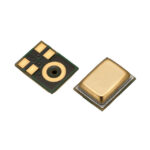 SPH1611LR5H-1
The activity of extra discounts on wholesale prices is in full swing…
Please fill in your contact information and we will send you the latest wholesale price list.






