ChipApex | Global Electronic Components Supplier
SEARCH
Search Product
Search Post
— IC芯片 | 连接器 | 传感器 | 被动器件 —
Search productSearch post
— IC芯片 | 连接器 | 传感器 | 被动器件 —
Consult the customer manager about the wholesale price.
consultation hotline:86-132-6715-2157
email:[email protected]
Contact the product manager for consultation. One-stop consultation is available.
Do you want a lower wholesale price? Please send us your inquiry and we will reply immediately.
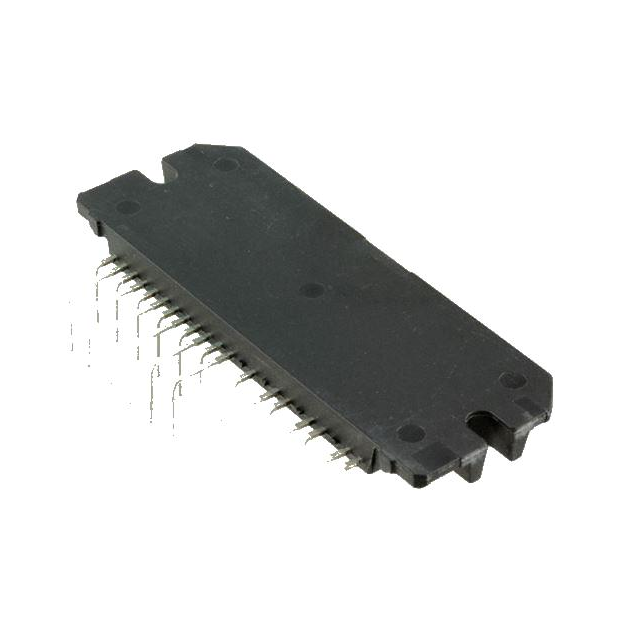
The STK621-717-E is a hybrid integrated circuit designed for audio power amplifier applications. It integrates output transistors, driver stages, and protection circuits within a single module. The component utilizes a specific thermal design to manage heat dissipation during operation. Official documentation specifies its electrical characteristics including supply voltage ranges and output power capabilities under defined load conditions. These parameters define the operational limits and performance envelope of the device in consumer electronics systems.
Verify the exact part number marking on the component surface against official Sanyo (now Panasonic) datasheets. Confirm that the suffix '-E' matches the required revision. Check for physical damage to the pins and ensure the thermal pad is intact. Request certification documents from authorized distributors to guarantee authenticity. Inspect packaging for signs of moisture exposure or static discharge damage prior to installation.
Select this component based on its specific pinout configuration and thermal resistance requirements. Ensure the application circuit matches the recommended operating conditions outlined in the technical specifications. Consider the available space for heat sinking when designing the enclosure. Verify compatibility with the existing driver stage signals. Evaluate the total harmonic distortion requirements against the module's published performance data.
This module belongs to the STK621 series of hybrid ICs developed for high-power audio applications. The series was widely used in the late 20th century for building robust amplifier channels. The specific model variant includes internal biasing networks and short-circuit protection. It represents a consolidated solution replacing discrete transistor assemblies in complex amplifier designs.
Direct replacements must match the original pinout and thermal interface dimensions. Verify that substitute parts offer equivalent current handling capabilities. Check if alternative models include updated protection features. Ensure the replacement supports the same supply voltage range. Consult manufacturer cross-reference lists for approved equivalents.
 STK621-717-E
The activity of extra discounts on wholesale prices is in full swing…
Please fill in your contact information and we will send you the latest wholesale price list.