ChipApex | Global Electronic Components Supplier
SEARCH
Search Product
Search Post
— IC芯片 | 连接器 | 传感器 | 被动器件 —
Search productSearch post
— IC芯片 | 连接器 | 传感器 | 被动器件 —
Consult the customer manager about the wholesale price.
consultation hotline:86-132-6715-2157
email:[email protected]
Contact the product manager for consultation. One-stop consultation is available.
Do you want a lower wholesale price? Please send us your inquiry and we will reply immediately.
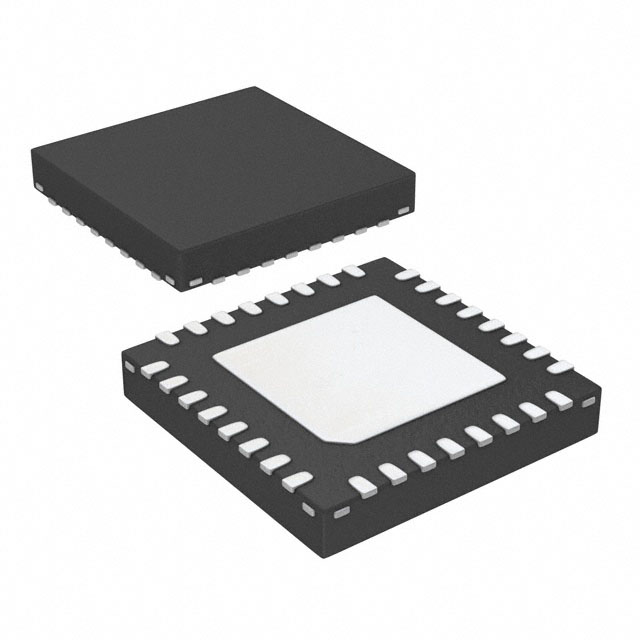
The TB6641FTG,8,EL is a full-bridge brushed DC motor driver IC manufactured by Toshiba Semiconductor and Storage. It integrates control logic and power stages using power MOSFET technology within a 32-VQFN package featuring an exposed thermal pad. The device supports parallel and PWM interfaces for precise motor control. It operates with a supply voltage range of 10V to 45V and delivers an output current of 1.5A per channel. The component is rated for junction temperatures between -40°C and 150°C, ensuring reliability in demanding environments.
Verify the specific suffix EL against the manufacturer's latest datasheet to confirm pinout and packaging details. Ensure compatibility with the target PCB footprint, specifically the 32-VQFN dimensions. Confirm RoHS compliance status if required by regional regulations. Cross-reference the part number with authorized distributors to avoid counterfeit components. Validate thermal design requirements based on the exposed pad configuration.
Select this component when a compact solution for driving brushed DC motors is required. The 32-VQFN package offers superior thermal performance compared to smaller packages. Consider the 1.5A current rating for moderate load applications. The wide operating temperature range suits harsh environments. Verify that the control interface matches the system's microcontroller capabilities.
This part belongs to the TB6641 series of brush DC motor drivers from Toshiba. It shares functional similarities with the TB6641FG variant but differs in packaging. The FTG designation indicates the VQFN form factor, while FG typically refers to the HSOP package. Both variants serve similar motor control applications but offer different thermal and spatial characteristics for board layout optimization.
The TB6641FG,8,EL serves as a direct functional alternative with identical electrical specifications but utilizes a 16-HSOP package instead of the 32-VQFN. Designers must account for differences in physical dimensions and thermal dissipation paths when substituting. No other cross-model replacements are confirmed in public documentation.
 TB6641FTG,8,EL
The activity of extra discounts on wholesale prices is in full swing…
Please fill in your contact information and we will send you the latest wholesale price list.