 ChipApex | Global Electronic Components Supplier
SEARCH
Search Product
Search Post
— IC芯片 | 连接器 | 传感器 | 被动器件 —
Search productSearch post
— IC芯片 | 连接器 | 传感器 | 被动器件 —
Consult the customer manager about the wholesale price.
consultation hotline:86-132-6715-2157
email:[email protected]
Contact the product manager for consultation. One-stop consultation is available.
Do you want a lower wholesale price? Please send us your inquiry and we will reply immediately.
The TCN4-13+ is a ceramic RF transformer manufactured by Mini-Circuits, designed for surface-mount applications. It operates within a frequency range of 650 MHz to 1250 MHz and provides a 1:4 impedance transformation ratio. The component features a 50 Ohm input impedance and utilizes an SMD/SMT termination style. It is constructed using LTCC technology and housed in a compact 6-SMD, no-lead package. The device supports a minimum operating temperature of -55°C and a maximum operating temperature of +100°C, ensuring reliability across wide thermal ranges.
Verify the exact part number suffix against official Mini-Circuits documentation to ensure correct specifications. Confirm that the required impedance ratio and frequency range align with the design requirements. Check the latest datasheet for any updates on mechanical dimensions or thermal characteristics. Ensure compatibility with standard surface-mount reflow processes. Validate availability through authorized distributors to guarantee component authenticity.
Select this component when a 1:4 impedance transformation is required in the 650-1250 MHz range. Consider the LTCC construction for reliable performance in harsh environments. Evaluate the 6-SMD package size for space-constrained PCB layouts. Ensure the operating temperature range meets the system's environmental demands. Compare insertion loss and phase unbalance specifications if detailed performance data is available in the official datasheet.
The TCN4-13+ belongs to the TCN series of ceramic RF transformers from Mini-Circuits. This series is known for providing precise impedance transformation in compact surface-mount packages. The component is part of a broader portfolio of RF and microwave components used in communication systems. It complements other Mini-Circuits products like filters and amplifiers in complex RF assemblies.
Consult the official Mini-Circuits substitution guide for verified alternatives. Cross-reference impedance ratios and frequency ranges with potential substitute parts. Verify package compatibility and pinout configurations before replacement. Ensure thermal and electrical specifications meet or exceed original requirements.
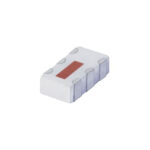 TCN4-13+
The activity of extra discounts on wholesale prices is in full swing…
Please fill in your contact information and we will send you the latest wholesale price list.




