 ChipApex | Global Electronic Components Supplier
SEARCH
Search Product
Search Post
— IC芯片 | 连接器 | 传感器 | 被动器件 —
Search productSearch post
— IC芯片 | 连接器 | 传感器 | 被动器件 —
Consult the customer manager about the wholesale price.
consultation hotline:86-132-6715-2157
email:[email protected]
Contact the product manager for consultation. One-stop consultation is available.
Do you want a lower wholesale price? Please send us your inquiry and we will reply immediately.
The TEA1532AT/N1 is a highly integrated power factor controller and PWM controller designed for offline switch-mode power supplies. It combines PFC and flyback control in a single package to reduce component count and board space. The device features an integrated high-voltage startup circuit, eliminating the need for external bias supply components during start-up. It supports critical conduction mode (CrM) operation for the PFC stage and discontinuous conduction mode (DCM) for the flyback converter. The IC includes comprehensive protection features such as overvoltage, undervoltage, and thermal shutdown to ensure reliable system operation under various load conditions.
Verify the exact ordering code against the manufacturer's current datasheet to ensure compatibility with specific suffixes or tape-and-reel configurations. Confirm that the requested part number matches the intended pinout and thermal characteristics for your PCB layout. Cross-reference with official NXP documentation to validate any recent revisions or obsolescence notices before finalizing procurement decisions.
Select this component when a compact solution combining PFC and flyback control is required. It is suitable for applications where minimizing bill of materials and board area is critical. Ensure the input voltage range and output power requirements align with the device's specified operating limits. Consider the thermal performance and packaging options available for your specific assembly process.
This component belongs to NXP's family of integrated power management solutions for offline applications. It addresses the trend toward higher efficiency and smaller form factors in modern power supplies. The integration of multiple control functions into a single IC reflects advancements in semiconductor technology aimed at reducing complexity and cost for manufacturers of consumer electronic devices and lighting systems.
Check for direct cross-reference part numbers from NXP or other manufacturers offering equivalent functionality. Verify pin-to-pin compatibility if substituting on existing boards. Ensure that alternative components meet the same electrical specifications and regulatory compliance standards required for the original design.
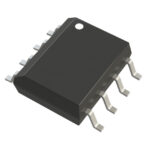 TEA1532AT/N1/DG,11
The activity of extra discounts on wholesale prices is in full swing…
Please fill in your contact information and we will send you the latest wholesale price list.





