 ChipApex | Global Electronic Components Supplier
SEARCH
Search Product
Search Post
— IC芯片 | 连接器 | 传感器 | 被动器件 —
Search productSearch post
— IC芯片 | 连接器 | 传感器 | 被动器件 —
Consult the customer manager about the wholesale price.
consultation hotline:86-132-6715-2157
email:[email protected]
Contact the product manager for consultation. One-stop consultation is available.
Do you want a lower wholesale price? Please send us your inquiry and we will reply immediately.
The TL1431AIDT is an adjustable shunt voltage reference from STMicroelectronics, housed in an 8-SOIC package. It offers a guaranteed initial accuracy of ±0.25% and a temperature coefficient of 100 ppm/°C. The device operates with a cathode current range of 1 to 100 mA and features a typical dynamic impedance of 0.2 Ω. It supports an input voltage up to 36 V and provides an adjustable output voltage between 2.5 V and 36 V. The component is qualified for automotive applications under AEC-Q100 standards and functions within a temperature range of -40°C to +125°C.
Verify the specific suffix 'DT' corresponds to the 8-SOIC surface-mount package configuration. Confirm that the ±0.25% accuracy grade meets the design requirements, as other variants may offer different tolerances. Ensure the thermal management strategy accounts for the maximum operating temperature of +125°C. Check for RoHS compliance status if required by the target market regulations.
Select this component when high precision is required for shunt regulation applications. The 8-SOIC package suits automated surface-mount assembly processes. Consider the 100 mA sink capability for driving optocouplers or error amplifier inputs. Verify that the 36 V maximum input voltage aligns with the system's supply rails. The automotive qualification makes it suitable for harsh environment deployments.
This part belongs to the TL1431 series of programmable shunt voltage references. The family includes various packages and accuracy grades, such as the TL1431ACCT in SOT-323. The TL1431AIDT specifically denotes the higher precision variant in a standard SOIC footprint, distinguishing it from lower-cost or through-hole alternatives within the same product line.
Compatible substitutes include the TL1431AIYDT, which shares similar electrical characteristics but may differ in packaging format. Other generic adjustable shunt references like the KA431 or LM4041 can functionally replace this part, provided their pinouts and accuracy specifications are verified against the original design constraints.
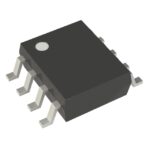 TL1431AIDT
The activity of extra discounts on wholesale prices is in full swing…
Please fill in your contact information and we will send you the latest wholesale price list.





