 ChipApex | Global Electronic Components Supplier
SEARCH
Search Product
Search Post
— IC芯片 | 连接器 | 传感器 | 被动器件 —
Search productSearch post
— IC芯片 | 连接器 | 传感器 | 被动器件 —
Consult the customer manager about the wholesale price.
consultation hotline:86-132-6715-2157
email:[email protected]
Contact the product manager for consultation. One-stop consultation is available.
Do you want a lower wholesale price? Please send us your inquiry and we will reply immediately.
The TL431S is a three-terminal adjustable precision shunt regulator manufactured by UMW. It provides a guaranteed thermal stability over the applicable temperature range of -40°C to +85°C. The output voltage is programmable from Vref up to 36V using two external resistors. Key electrical characteristics include a typical dynamic output impedance of 0.27 Ω and a sink current capability ranging from 0.1mA to 100mA. The device features an equivalent full-range temperature coefficient of 50 ppm/°C, low output noise voltage, and fast turn-on response.
Verify the specific package type required, as the TL431S designation corresponds to the SOT-23 package in the ordering information table. Confirm that the standard accuracy grade meets the application requirements, noting that other grades such as AL or D are available. Ensure the selected component supports the intended operating temperature range of -40°C to +85°C. Check delivery mode specifications, as this package variant is supplied in tape and reel format.
Select the TL431S when a compact surface-mount solution is required for adjustable shunt regulation. The SOT-23 package offers space efficiency compared to through-hole options like TO-92. Consider the 0.27 Ω dynamic impedance for applications requiring stable reference performance under varying load currents. Verify that the 50 ppm/°C temperature coefficient aligns with the system's thermal stability needs within the specified industrial temperature range.
The TL431 series consists of three-terminal adjustable regulators designed to replace traditional Zener diodes in various power management circuits. Manufactured by UMW, these devices utilize active output circuitry to provide precise voltage control. The TL431S specifically denotes the version housed in the SOT-23 package, offering a balance of performance and footprint suitable for modern electronic designs requiring reliable voltage referencing.
This component serves as a direct functional replacement for standard Zener diodes in applications requiring adjustable voltage thresholds. When substituting, ensure the new device supports the required cathode current range and voltage limits. Verify compatibility with existing resistor networks used for voltage setting. Note that while functionally similar, pinout configurations must be checked if replacing variants with different package types.
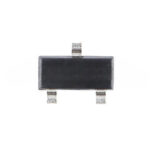 TL431S
The activity of extra discounts on wholesale prices is in full swing…
Please fill in your contact information and we will send you the latest wholesale price list.







