 ChipApex | Global Electronic Components Supplier
SEARCH
Search Product
Search Post
— IC芯片 | 连接器 | 传感器 | 被动器件 —
Search productSearch post
— IC芯片 | 连接器 | 传感器 | 被动器件 —
Consult the customer manager about the wholesale price.
consultation hotline:86-132-6715-2157
email:[email protected]
Contact the product manager for consultation. One-stop consultation is available.
Do you want a lower wholesale price? Please send us your inquiry and we will reply immediately.
The TLC69612YBHR is a Texas Instruments LED lighting driver IC designed for mini-LED matrix local dimming backlight applications. It features 16 output channels with independent pixel-level PWM control, supporting up to 16-bit resolution. The device operates within a supply voltage range of 3 V to 5.5 V and delivers a constant sink current of 60 mA per channel at a maximum output voltage of 20 V. It utilizes a DSBGA-24 package (1.58x2.43 mm) and functions across an industrial temperature range of -40°C to +85°C.
Verify the specific ordering suffix YBHR corresponds to the required tape-and-reel packaging configuration. Confirm that the DSBGA-24 footprint matches the target PCB layout dimensions. Ensure the design accommodates the specified thermal dissipation requirements for continuous operation within the stated temperature range. Cross-reference the latest datasheet revision for any updates to electrical characteristics or pin assignments before finalizing procurement.
Select this component when a high channel count with precise individual control is necessary for complex backlighting architectures. The 60 mA output capability suits standard mini-LED forward voltage requirements. Consider the serial interface constraints if multiple drivers are cascaded. Evaluate the package size against available board space, as the compact DSBGA form factor demands precise assembly processes.
This part belongs to the TLC69611 series of local dimming backlight drivers from Texas Instruments. It shares architectural similarities with other members like the TLC69611, offering robust control for modern display technologies. The series focuses on providing efficient power management alongside detailed grayscale accuracy for premium visual experiences.
Direct substitutes include the TLC69611YBHR, which offers similar functionality but may differ in specific channel configurations or feature sets. Verify compatibility by comparing pinouts, electrical limits, and software control protocols. Alternative options should be evaluated based on availability and specific application constraints regarding channel density and current ratings.
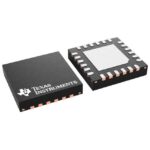 TLC69612YBHR
The activity of extra discounts on wholesale prices is in full swing…
Please fill in your contact information and we will send you the latest wholesale price list.





