 ChipApex | Global Electronic Components Supplier
SEARCH
Search Product
Search Post
— IC芯片 | 连接器 | 传感器 | 被动器件 —
Search productSearch post
— IC芯片 | 连接器 | 传感器 | 被动器件 —
Consult the customer manager about the wholesale price.
consultation hotline:86-132-6715-2157
email:[email protected]
Contact the product manager for consultation. One-stop consultation is available.
Do you want a lower wholesale price? Please send us your inquiry and we will reply immediately.
The TLE2426CLP is a precision virtual ground generator manufactured by Texas Instruments, designed to split a single power supply rail into positive and negative references. It operates within an input voltage range of 2 V to 20 V and delivers an initial accuracy of 1%. The device features a temperature coefficient of 35 PPM/°C and supports a maximum series input voltage of 40 V with a maximum shunt current of 20 mA. It functions reliably across a temperature range from -55°C to +125°C and utilizes a TO-92-3 through-hole package.
Verify the specific suffix 'CLP' against the manufacturer's latest datasheet to confirm pinout compatibility and thermal specifications. Ensure the application environment remains within the specified -55°C to +125°C operating range. Confirm that the required load current does not exceed the 20 mA maximum shunt current rating to maintain stability and prevent overheating in the TO-92 package.
Select this component when a robust, low-cost solution for creating a virtual ground is required in through-hole designs. The TO-92 package suits prototyping and applications where surface mount space is limited. Consider the 35 PPM/°C temperature coefficient for environments with significant thermal fluctuations. Verify that the 1% initial accuracy meets the system's tolerance requirements for reference voltage stability.
Part of the TLE2426 family of precision virtual ground generators. This series replaces traditional resistor divider networks with active feedback mechanisms. The CLP variant specifically denotes the commercial grade temperature range and through-hole packaging format. It serves as a direct replacement for older rail splitter components in legacy analog designs requiring reliable mid-rail reference generation.
TLE2426CLPR (Reel version)
It acts as a precision virtual ground generator, splitting a single positive supply voltage to create a stable mid-point reference equivalent to zero volts.
Yes, it provides a low output impedance, allowing it to drive varying loads more effectively than passive resistor dividers, though current must stay within the 20 mA limit.
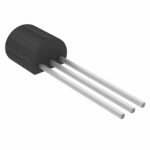 TLE2426CLP
The activity of extra discounts on wholesale prices is in full swing…
Please fill in your contact information and we will send you the latest wholesale price list.






