 ChipApex | Global Electronic Components Supplier
SEARCH
Search Product
Search Post
— IC芯片 | 连接器 | 传感器 | 被动器件 —
Search productSearch post
— IC芯片 | 连接器 | 传感器 | 被动器件 —
Consult the customer manager about the wholesale price.
consultation hotline:86-132-6715-2157
email:[email protected]
Contact the product manager for consultation. One-stop consultation is available.
Do you want a lower wholesale price? Please send us your inquiry and we will reply immediately.
The TMC2111AB2C1 is a variable-length shift register manufactured by Fairchild Semiconductor. It utilizes high-speed, low-power CMOS technology to ensure reliable data transfer. The device features an 8-bit output data bus width and is housed in a 24-pin ceramic DIP package with glass body material. It operates within a supply voltage range of 4.75 V to 5.25 V, with a nominal voltage of 5 V. The component supports through-hole mounting and functions as a fully synchronous byte-wide shift register programmable for lengths between 1 and 16 stages.
Verify the manufacturer designation, as Fairchild Semiconductor's semiconductor division was acquired by onsemi. Ensure the part number matches the specific CDIP-24 package configuration. Confirm RoHS compliance status if environmental regulations apply to your assembly process. Check for any obsolescence notices or lifecycle changes associated with the original Fairchild branding versus current onsemi distribution channels.
Select this component when a synchronous shift register with adjustable depth is required. The 24-pin ceramic DIP package suits applications needing robust physical durability and through-hole mounting. The 5V nominal supply voltage aligns with standard TTL/CMOS logic families. Consider the 8-bit parallel output width for efficient data retrieval compared to serial-only alternatives.
This component belongs to the TMC2111A family of variable-length shift registers. These devices are designed for applications requiring flexible data storage depths without changing hardware. The TMC2111AB2C1 variant specifically denotes the ceramic DIP packaging option, distinguishing it from plastic or surface-mount equivalents within the same functional family.
Check for direct substitutes from onsemi, which now holds the rights to the Fairchild product line. Verify pin compatibility and electrical specifications against other 24-pin ceramic DIP shift registers if sourcing from alternative vendors. Ensure the replacement supports the same 1-to-16 stage programmability.
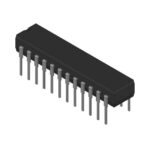 TMC2111AB2C1
The activity of extra discounts on wholesale prices is in full swing…
Please fill in your contact information and we will send you the latest wholesale price list.





