 ChipApex | Global Electronic Components Supplier
SEARCH
Search Product
Search Post
— IC芯片 | 连接器 | 传感器 | 被动器件 —
Search productSearch post
— IC芯片 | 连接器 | 传感器 | 被动器件 —
Consult the customer manager about the wholesale price.
consultation hotline:86-132-6715-2157
email:[email protected]
Contact the product manager for consultation. One-stop consultation is available.
Do you want a lower wholesale price? Please send us your inquiry and we will reply immediately.
The TNETV2685ZUT9 is a fixed-point digital media processor from Texas Instruments, part of the DaVinci family. It features a C64x DSP core operating at up to 900MHz with 7200 MIPS performance. The device includes 512KB on-chip L2 cache and 576KB total on-chip RAM. It supports DDR2 DRAM interfaces and operates within a temperature range of 0°C to 90°C. The core voltage is 1.20V, with I/O voltages of 1.8V and 3.3V. It utilizes a 529-pin FCBGA package.
This component is officially listed as obsolete by Texas Instruments and is no longer manufactured. Procurement should focus on verifying the authenticity of existing stock from authorized distributors. Ensure that any available units are new and original, checking for proper packaging integrity and date codes. Due to its end-of-life status, long-term supply continuity cannot be guaranteed, requiring careful evaluation for new designs.
Engineers selecting this processor must consider its obsolete status when planning for future production runs. The specific integration of the C64x DSP and DaVinci architecture suits legacy automotive and industrial video projects. Alternative solutions should be evaluated if new manufacturing is required, as replacement components may differ in pinout or software compatibility. Verify all electrical parameters against current system requirements before integration.
The TNETV2685ZUT9 belongs to the Texas Instruments DaVinci family of digital media processors. It combines a powerful DSP with specialized peripherals for video and imaging. This series was designed to handle multimedia processing in demanding environments, particularly within the automotive sector. The ZUT9 suffix indicates specific packaging and temperature grade variations within the broader product line.
As an obsolete component, direct substitutes are not officially confirmed by the manufacturer. Engineers should consult Texas Instruments for recommended next-generation replacements that offer similar DSP capabilities and interface options. Cross-reference pinouts and software drivers carefully when migrating to newer devices.
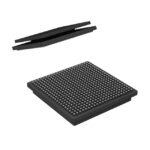 TNETV2685ZUT9
The activity of extra discounts on wholesale prices is in full swing…
Please fill in your contact information and we will send you the latest wholesale price list.





