 ChipApex | Global Electronic Components Supplier
SEARCH
Search Product
Search Post
— IC芯片 | 连接器 | 传感器 | 被动器件 —
Search productSearch post
— IC芯片 | 连接器 | 传感器 | 被动器件 —
Consult the customer manager about the wholesale price.
consultation hotline:86-132-6715-2157
email:[email protected]
Contact the product manager for consultation. One-stop consultation is available.
Do you want a lower wholesale price? Please send us your inquiry and we will reply immediately.
The TPSF12C1QDYYRQ1 is an automotive-grade transient voltage suppressor (TVS) diode array manufactured by Texas Instruments. Designed for high-speed data line protection, this component features a dual-channel configuration within a compact SOT-563 package. It provides bidirectional clamping to safeguard sensitive interfaces against electrostatic discharge (ESD) and electrical fast transients (EFT). The device operates with a low capacitance profile to maintain signal integrity in high-bandwidth applications such as USB, HDMI, and DVI connections. Its robust construction ensures compliance with stringent automotive reliability standards while offering effective suppression of voltage spikes across the protected lines.
Verify the specific suffix 'DYYRQ1' against official Texas Instruments documentation to confirm tape-and-reel packaging and automotive qualification status. Ensure the part number matches the exact pinout and tolerance requirements for your design. Cross-reference with authorized distributors to validate authenticity and traceability before procurement.
Select this component when designing circuits that require dual-line protection for high-speed digital interfaces in automotive environments. Consider its low capacitance characteristics if signal bandwidth exceeds standard levels. Verify that the operating voltage range aligns with the specific data line specifications of the target application interface.
This part belongs to the TPSF12C1Q family of automotive TVS diodes. It shares functional similarities with other members of the series but differs in package type and specific electrical tolerances. The Q1 designation indicates compliance with AEC-Q101 standards for automotive electronic components, ensuring suitability for demanding vehicular applications.
Check for direct substitutes within the TPSF12C1Q series or comparable automotive-grade TVS arrays from other manufacturers. Ensure any replacement maintains identical pinout, capacitance values, and breakdown voltages to avoid redesigning the PCB layout.
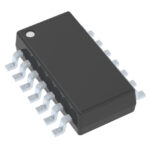 TPSF12C1QDYYRQ1
The activity of extra discounts on wholesale prices is in full swing…
Please fill in your contact information and we will send you the latest wholesale price list.





