ChipApex | Global Electronic Components Supplier
SEARCH
Search Product
Search Post
— IC芯片 | 连接器 | 传感器 | 被动器件 —
Search productSearch post
— IC芯片 | 连接器 | 传感器 | 被动器件 —
Consult the customer manager about the wholesale price.
consultation hotline:86-132-6715-2157
email:[email protected]
Contact the product manager for consultation. One-stop consultation is available.
Do you want a lower wholesale price? Please send us your inquiry and we will reply immediately.
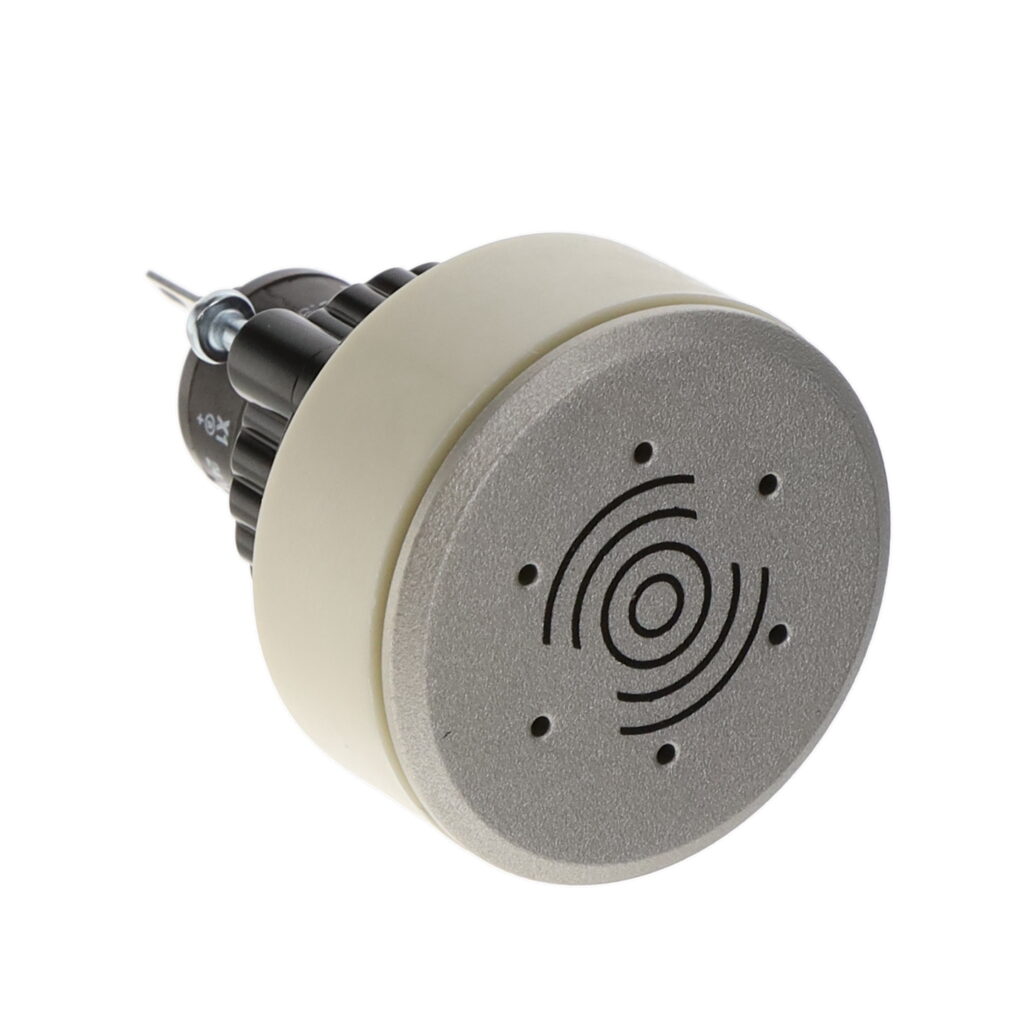
The Floyd Bell TUHT-88W-930-Q is a high-power, through-hole toroidal transformer designed for industrial and commercial applications. It features an epoxy encapsulated core to provide mechanical stability and environmental protection against moisture and vibration. The unit utilizes copper windings with insulated leads to ensure reliable electrical performance under continuous load conditions. This component serves as a critical power conversion element in systems requiring isolated AC voltage transformation.
Verify the specific primary and secondary voltage ratings required for your circuit design before ordering. Confirm that the physical footprint and lead spacing match your printed circuit board layout constraints. Ensure the thermal dissipation characteristics of the epoxy encapsulation are suitable for the intended operating environment. Cross-reference the manufacturer's datasheet for precise pinout definitions and insulation class requirements to guarantee system safety compliance.
Select this transformer based on the required input and output voltage specifications and the maximum current load expected in the application. Consider the physical size limitations within the enclosure, as toroidal transformers have distinct dimensional profiles compared to laminated cores. Evaluate the operating temperature range to ensure the epoxy material remains stable under peak thermal conditions. Verify that the insulation rating meets the safety standards applicable to the final product deployment region.
This component belongs to the family of general-purpose power transformers manufactured by Floyd Bell Inc. These units are typically characterized by their compact toroidal geometry which reduces electromagnetic interference compared to traditional E-core designs. The series is engineered for durability in demanding environments where space efficiency and thermal management are prioritized over cost minimization.
When sourcing substitutes, prioritize components with identical primary-to-secondary voltage ratios and comparable current handling capabilities. Ensure the replacement part matches the physical dimensions and lead configuration to maintain compatibility with existing assembly processes. Verify that the new unit offers equivalent or superior insulation resistance and dielectric strength values to preserve system safety integrity.
 TUHT-88W-930-Q
The activity of extra discounts on wholesale prices is in full swing…
Please fill in your contact information and we will send you the latest wholesale price list.