ChipApex | Global Electronic Components Supplier
SEARCH
Search Product
Search Post
— IC芯片 | 连接器 | 传感器 | 被动器件 —
Search productSearch post
— IC芯片 | 连接器 | 传感器 | 被动器件 —
Consult the customer manager about the wholesale price.
consultation hotline:86-132-6715-2157
email:[email protected]
Contact the product manager for consultation. One-stop consultation is available.
Do you want a lower wholesale price? Please send us your inquiry and we will reply immediately.
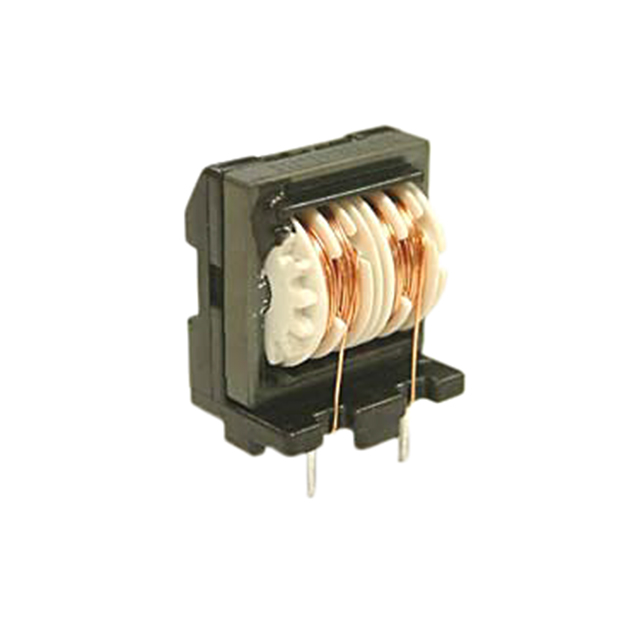
The UT2024-009 is a common mode choke manufactured by Triad Magnetics, designed for high-current applications. It features a radial termination style and operates within a temperature range of -20°C to +105°C. The component provides an inductance of 1.1 mH at a current rating of 0.9 Arms. Key electrical specifications include a maximum DC resistance (DCR) of 250 mOhms and an AC voltage rating of 250V. This surface-mount or through-hole compatible filter is suitable for suppressing electromagnetic interference in power circuits.
Verify the specific package type and pin configuration against the official datasheet before integration, as termination styles can vary within product lines. Confirm that the 0.9 Arms current rating meets the peak load requirements of the target circuit. Ensure compatibility with the 250V AC voltage rating for the intended application environment. Cross-reference the RoHS status if environmental compliance is mandatory for the final assembly.
Select this component when a balance of moderate inductance and high current handling is required for common mode filtering. The low DCR makes it suitable for efficiency-sensitive designs where voltage drop must be minimized. Consider the operating temperature range to ensure reliability in enclosed or high-heat environments. Compare physical dimensions against available PCB real estate to confirm fitment.
This part belongs to the Triad Magnetics line of common mode chokes and filters. It is categorized under switchmode and high-frequency applications. The manufacturer specializes in magnetic components for power conversion and signal integrity. This specific model addresses the need for compact, high-performance EMI suppression in modern electronic systems.
Check for direct substitutes with identical 1.1 mH inductance and 0.9 A current rating. Verify that any alternative maintains the same 250 mOhm DCR limit and 250V AC rating. Ensure thermal performance matches the -20°C to +105°C specification. Confirm mechanical footprint compatibility if space constraints are critical.
 UT2024-009
The activity of extra discounts on wholesale prices is in full swing…
Please fill in your contact information and we will send you the latest wholesale price list.