ChipApex | Global Electronic Components Supplier
SEARCH
Search Product
Search Post
— IC芯片 | 连接器 | 传感器 | 被动器件 —
Search productSearch post
— IC芯片 | 连接器 | 传感器 | 被动器件 —
Consult the customer manager about the wholesale price.
consultation hotline:86-132-6715-2157
email:[email protected]
Contact the product manager for consultation. One-stop consultation is available.
Do you want a lower wholesale price? Please send us your inquiry and we will reply immediately.
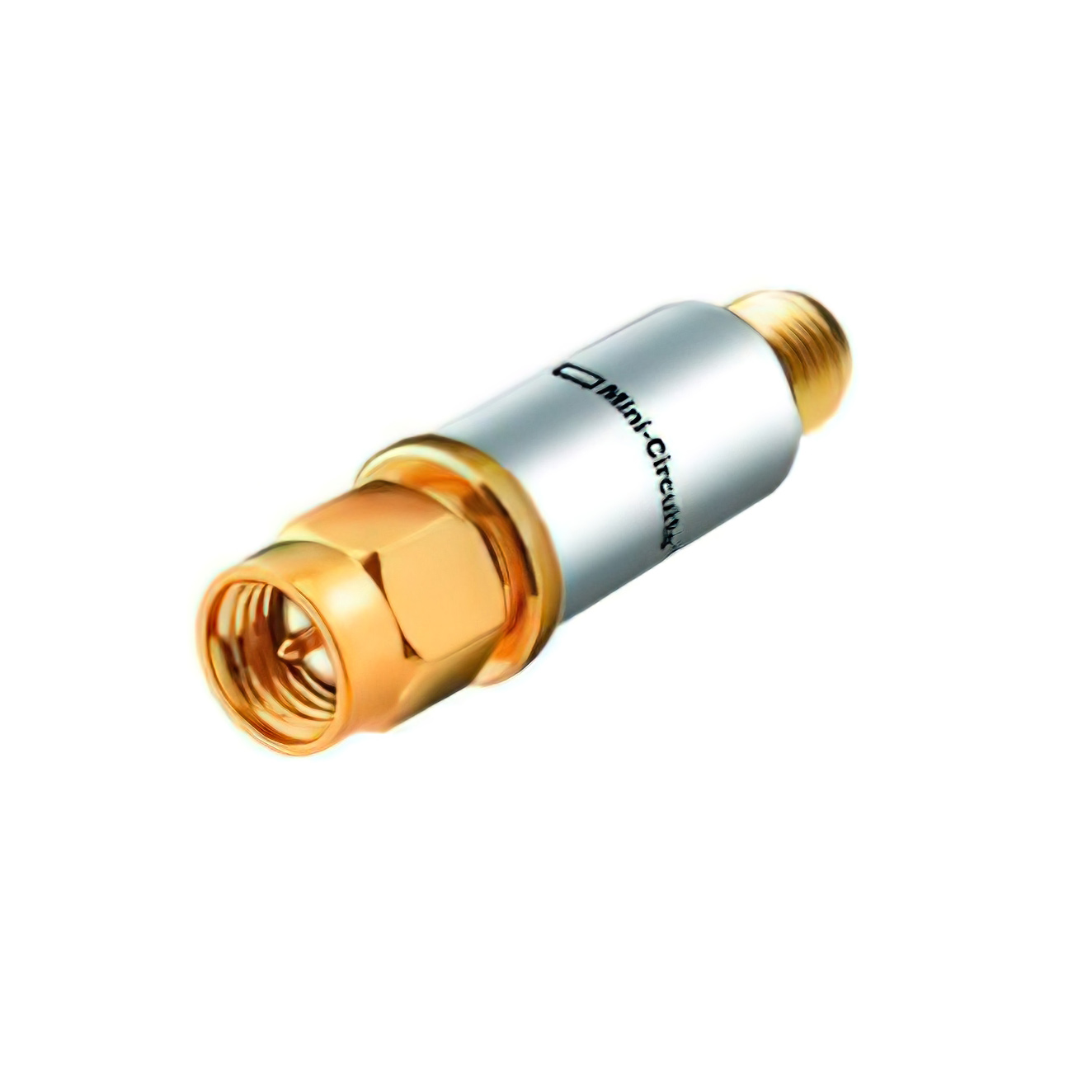
The VBF-1840+ is a coaxial bandpass filter from Mini-Circuits, designed for RF signal conditioning. It features an internal LTCC structure to ensure repeatable performance across its operating range. The component covers a center frequency of 1840 MHz with a bandwidth of 1750 to 1930 MHz (±90 MHz). It operates at a standard 50 Ohm impedance and utilizes SMA connectors for inline integration. Typical insertion loss is specified at 2.0 dB, providing efficient signal transmission within the passband while maintaining good close-in rejection characteristics.
Verify the exact datasheet version before procurement, as specifications such as temperature ranges or connector types may vary by revision. Confirm that the SMA interface matches your system requirements. Ensure the operating environment stays within the specified limits to prevent permanent damage. Cross-reference part numbers carefully to avoid confusion with similar models like BFCN-1840+. Request official documentation from authorized distributors to guarantee authenticity and technical accuracy.
Select this component when a narrow bandpass filter around 1840 MHz is required. The LTCC construction offers stability compared to other technologies. Consider the physical dimensions if space is constrained. Evaluate the insertion loss against system sensitivity requirements. Ensure the power handling capabilities meet the application's maximum input levels to avoid exceeding specifications.
This model belongs to Mini-Circuits' VBF series of coaxial bandpass filters. The company specializes in RF, IF, and microwave signal processing components. The VBF series is known for combining low insertion loss with good rejection in a compact form factor. These filters are widely used in various industries including telecommunications, industrial automation, and medical electronics for precise frequency selection.
Public confirmed substitute part numbers include BFCN-1840+, which shares similar electrical characteristics but differs in package type. Verify compatibility regarding connector style and mounting method before substitution. Ensure the replacement meets the same frequency and impedance requirements.
 VBF-1840+
The activity of extra discounts on wholesale prices is in full swing…
Please fill in your contact information and we will send you the latest wholesale price list.