 ChipApex | Global Electronic Components Supplier
SEARCH
Search Product
Search Post
— IC芯片 | 连接器 | 传感器 | 被动器件 —
Search productSearch post
— IC芯片 | 连接器 | 传感器 | 被动器件 —
Consult the customer manager about the wholesale price.
consultation hotline:86-132-6715-2157
email:[email protected]
Contact the product manager for consultation. One-stop consultation is available.
Do you want a lower wholesale price? Please send us your inquiry and we will reply immediately.
The 15CTQ045S is a common cathode dual Schottky barrier rectifier manufactured by SMC Diode Solutions. This component integrates two independent Schottky diodes within a single surface-mount package, designed for high-efficiency power conversion applications. It features a repetitive peak reverse voltage rating of 45V and an average forward rectified current of 7.5A per diode, resulting in a combined 15A rating. The device utilizes low-profile packaging to facilitate automated assembly processes while maintaining robust thermal performance for demanding electronic circuits.
Verify the specific suffix codes on the ordering information to ensure the correct tape and reel quantity matches your production requirements. Confirm that the lead time aligns with your manufacturing schedule before placing orders. Always request the latest datasheet from authorized distributors to validate pinout configurations and absolute maximum ratings against your design specifications.
Choose this component when designing systems that require low forward voltage drops to minimize power loss at moderate current levels. Ensure the operating junction temperature range covers your application's thermal environment. Consider the package footprint constraints and verify that the thermal resistance values support your heatsinking strategy without exceeding maximum junction temperatures under peak load conditions.
This part belongs to SMC Diode Solutions' series of surface-mount Schottky rectifiers designed for space-constrained electronics. The 15CTQ045S specifically addresses the need for high-current density solutions in modern power management architectures. Its construction supports reliable operation in environments where traditional through-hole components are impractical due to size or weight limitations.
Consult official cross-reference guides for equivalent parts with matching voltage and current ratings. Verify that substitute components maintain identical pinout configurations and package dimensions to ensure compatibility with existing PCB layouts. Confirm that alternative manufacturers meet the same reliability standards and regulatory certifications required for your specific application.
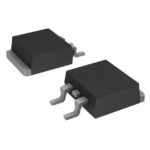 15CTQ045S
The activity of extra discounts on wholesale prices is in full swing…
Please fill in your contact information and we will send you the latest wholesale price list.





