ChipApex | Global Electronic Components Supplier

SEARCH
Search Product
Search Post
— IC芯片 | 连接器 | 传感器 | 被动器件 —
Search productSearch post
— IC芯片 | 连接器 | 传感器 | 被动器件 —
Consult the customer manager about the wholesale price.
consultation hotline:86-132-6715-2157
email:[email protected]
Contact the product manager for consultation. One-stop consultation is available.
Do you want a lower wholesale price? Please send us your inquiry and we will reply immediately.
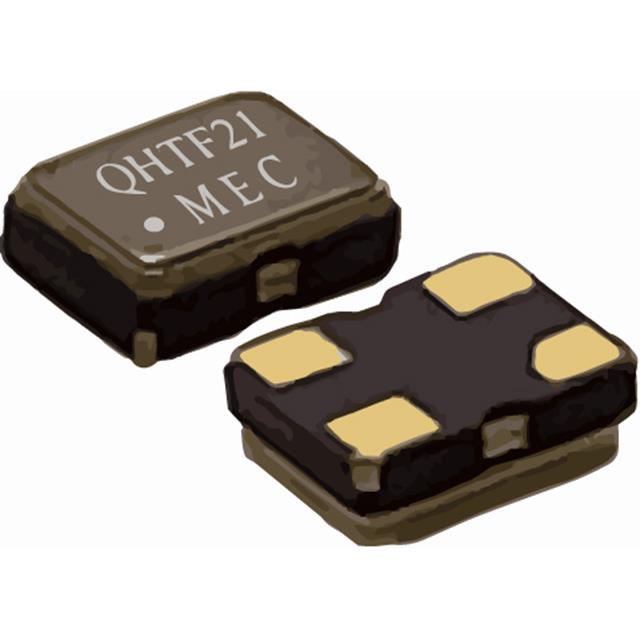
The Mercury Electronics 18QHTF21-12.688-PD is a high-stability crystal oscillator designed for precision timing applications. It operates at a fundamental frequency of 12.688 MHz, housed in an 18-pin ceramic DIP package with a hermetic seal. The device features a load capacitance of 30 pF and a frequency tolerance of ±50 ppm over the commercial temperature range of -40°C to +85°C. Key electrical specifications include a series resistance of 70 ohms maximum and a shunt capacitance of 5 pF typical. Output drive levels are maintained within standard limits to ensure reliable integration into digital circuits requiring stable clock signals.
Verify part authenticity through authorized Mercury Electronics distributors. Confirm that the specific suffix '-PD' matches the required pin configuration and sealing type for your PCB layout. Request batch-specific calibration certificates if tight frequency accuracy is critical for your design. Ensure storage conditions comply with moisture sensitivity levels prior to soldering.
Choose this component when hermetic sealing and long-term frequency stability are prioritized over cost. The 18-pin DIP form factor requires specific footprint planning compared to surface-mount alternatives. Evaluate thermal management requirements as ceramic packages dissipate heat differently than plastic counterparts. Consider the impact of load capacitance on circuit design to avoid frequency pulling issues.
This model belongs to Mercury Electronics' high-reliability quartz oscillator family, targeting aerospace and defense sectors. The '18QHTF' series designation indicates a specific package style and mounting configuration distinct from their standard SMD offerings. These components are engineered to meet rigorous MIL-STD standards for vibration and shock resistance, differentiating them from commercial-grade oscillators.
Direct substitutes must match the 18-pin ceramic DIP package and 12.688 MHz frequency. Verify equivalent hermetic sealing capabilities and temperature ranges. Cross-reference pinout diagrams carefully as package variations exist within the same frequency class. Consult manufacturer cross-reference guides for approved alternate part numbers with identical electrical characteristics.
 18QHTF21-12.688-PD

The activity of extra discounts on wholesale prices is in full swing…
Please fill in your contact information and we will send you the latest wholesale price list.