 ChipApex | Global Electronic Components Supplier
SEARCH
Search Product
Search Post
— IC芯片 | 连接器 | 传感器 | 被动器件 —
Search productSearch post
— IC芯片 | 连接器 | 传感器 | 被动器件 —
Consult the customer manager about the wholesale price.
consultation hotline:86-132-6715-2157
email:[email protected]
Contact the product manager for consultation. One-stop consultation is available.
Do you want a lower wholesale price? Please send us your inquiry and we will reply immediately.
The IBM 25PPC750CXEJP8512 is a PowerPC 750CX RISC microprocessor featuring a 32-bit architecture and a single core. It is housed in a 256-pin Plastic Ball Grid Array (PBGA) package with dimensions of 27x27 mm. The component supports boundary scan testing and integrates cache memory for enhanced performance. Designed for embedded applications, it operates within a maximum clock frequency of 200 MHz and supports an external data bus width of 64 bits. The processor includes low-power mode capabilities and functions as a floating-point unit.
Verify the exact revision level and packaging specifications against official IBM documentation before procurement. Ensure compatibility with existing system interfaces and thermal management solutions. Confirm regulatory compliance status, including RoHS directives, as historical IBM components may not meet current environmental standards. Validate supply chain authenticity through authorized channels to mitigate counterfeiting risks.
Select this component when a 32-bit PowerPC architecture is required for embedded applications. Consider the 200 MHz maximum clock speed and PBGA-256 package constraints during board design. Evaluate thermal requirements given the ceramic or plastic BGA construction. Ensure software tools support the specific PowerPC 750CX instruction set for development.
This microprocessor belongs to the IBM PowerPC 750 family, designed for high-performance embedded computing. The 750 series was widely adopted in various electronic devices for its balance of processing power and efficiency. The CX variant typically offers optimized features for cost-sensitive and space-constrained applications compared to earlier iterations.
Publicly confirmed substitute part numbers are not available in the provided source material. Engineers should consult IBM's official obsolescence notices or technical support for validated alternatives. Cross-referencing with other PowerPC 750 variants requires careful evaluation of pinout and electrical specification differences.
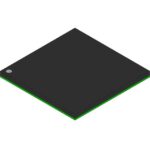 25PPC750CXEJP8512
The activity of extra discounts on wholesale prices is in full swing…
Please fill in your contact information and we will send you the latest wholesale price list.





