ChipApex | Global Electronic Components Supplier

SEARCH
Search Product
Search Post
— IC芯片 | 连接器 | 传感器 | 被动器件 —
Search productSearch post
— IC芯片 | 连接器 | 传感器 | 被动器件 —
Consult the customer manager about the wholesale price.
consultation hotline:86-132-6715-2157
email:[email protected]
Contact the product manager for consultation. One-stop consultation is available.
Do you want a lower wholesale price? Please send us your inquiry and we will reply immediately.
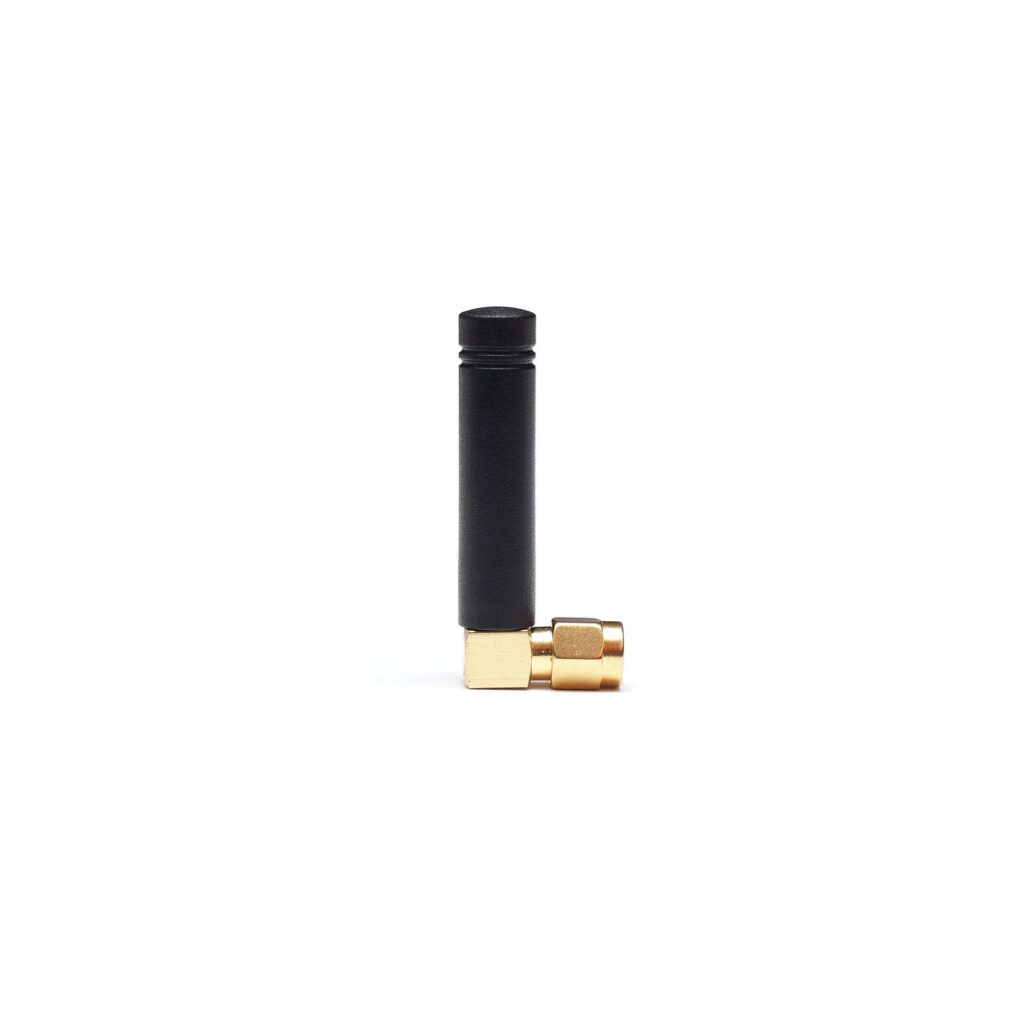
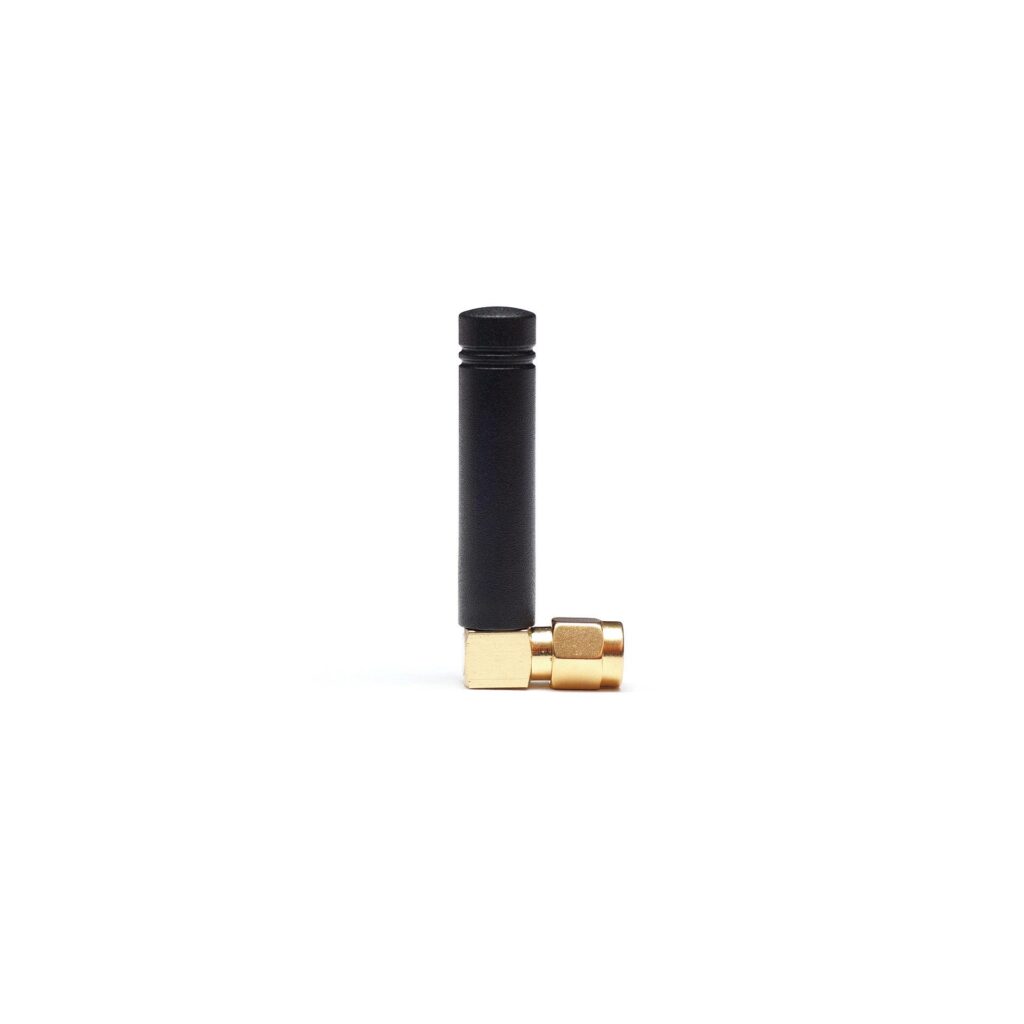
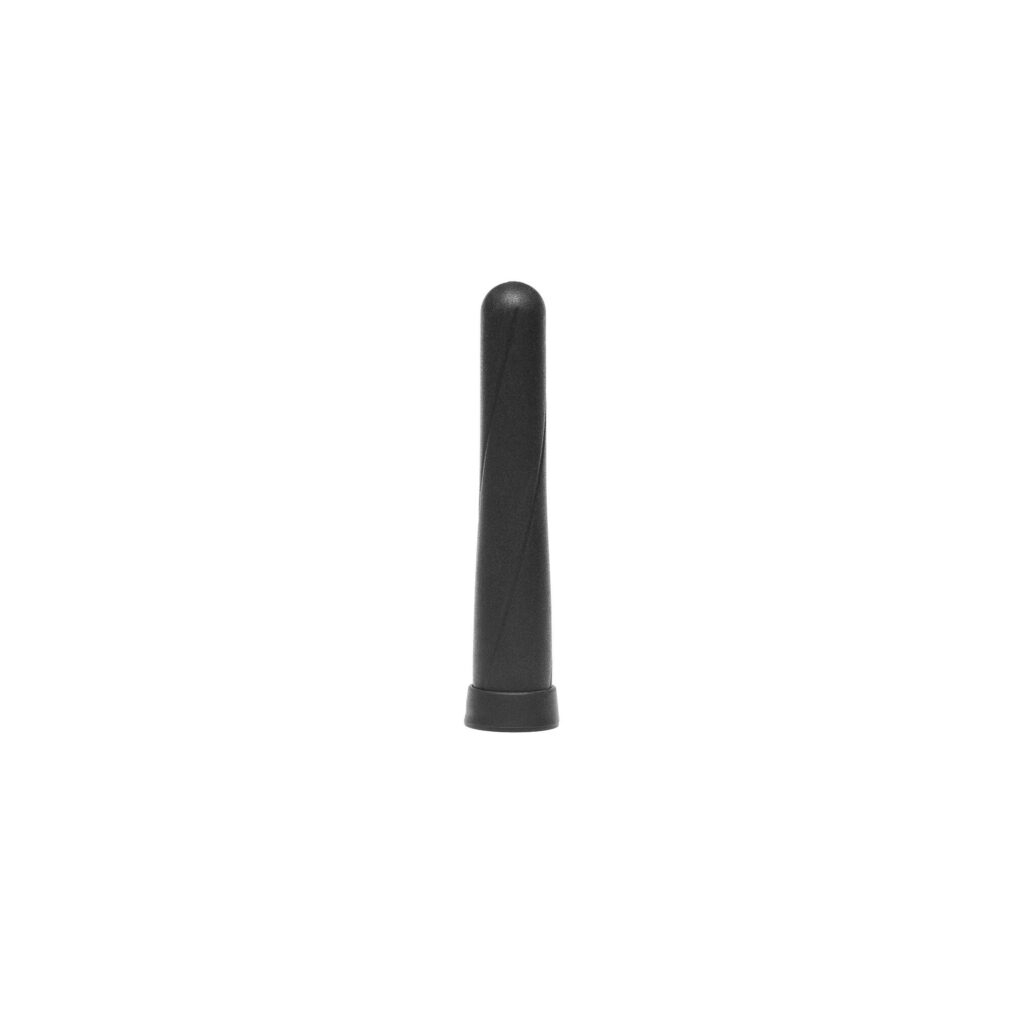
The TE Connectivity A24003-OC is an obsolete passive whip antenna designed for outdoor wireless applications. It operates within the 2.4 GHz to 2.5 GHz frequency range, centered at 2.45 GHz. The component features a stubby mechanical form factor with a length of 69.85 mm and provides 3 dBi gain. It maintains a 50 Ohm impedance and supports a power rating of 100 W. The unit includes an N Female connector for direct or permanent mounting and carries an IP67 ingress protection rating.
This specific part number is officially listed as obsolete by the manufacturer. Procurement must focus on verifying the authenticity of remaining stock from authorized distributors or secondary market suppliers. Buyers should confirm the manufacturing date code and physical condition prior to purchase, as availability is limited and supply chain continuity is not guaranteed by the original producer.
Engineers requiring this component must evaluate its discontinued status against long-term production requirements. Alternative solutions within the Phantom series or other TE Connectivity outdoor antennas should be assessed for compatibility. Selection criteria must prioritize interface matching, specifically the N Female connector, and environmental sealing capabilities to ensure seamless integration into existing wireless systems without redesigning the mounting structure.
The A24003-OC belongs to the Phantom series of outdoor antennas manufactured by TE Connectivity. This line specializes in ruggedized passive antennas intended for industrial and commercial wireless deployments. The model represents a legacy product within the broader portfolio of 2.4 GHz communication hardware, reflecting earlier generations of compact whip antenna designs optimized for durability and consistent signal performance.
Public documentation confirms the A24003NP as a related variant within the same Phantom series offering similar operational characteristics. Engineers should verify mechanical dimensions and connector specifications when substituting this obsolete part with available alternatives to ensure physical fit and electrical continuity.
 A24003-OC

The activity of extra discounts on wholesale prices is in full swing…
Please fill in your contact information and we will send you the latest wholesale price list.