 ChipApex | Global Electronic Components Supplier
SEARCH
Search Product
Search Post
— IC芯片 | 连接器 | 传感器 | 被动器件 —
Search productSearch post
— IC芯片 | 连接器 | 传感器 | 被动器件 —
Consult the customer manager about the wholesale price.
consultation hotline:86-132-6715-2157
email:[email protected]
Contact the product manager for consultation. One-stop consultation is available.
Do you want a lower wholesale price? Please send us your inquiry and we will reply immediately.
The AOZ5017QI is a DrMOS integrated circuit manufactured by Alpha & Omega Semiconductor Inc., designed for synchronous buck converter applications. It integrates a half-bridge driver and power MOSFETs in a single package. The device supports a load voltage range of 4.5V to 25V and operates with a supply voltage of 4.5V to 5.5V. It delivers an output current of 60A per channel with a peak output capability of 120A. The component utilizes PWM interface technology and features a 31-PowerVFQFN (5x5) surface-mount package. It includes built-in fault protection mechanisms such as under-voltage lockout and breakdown protection, ensuring reliable operation within a junction temperature range of -40°C to 150°C.
Verify the specific suffix and revision level against the manufacturer's latest datasheet to ensure compatibility with current production standards. Confirm RoHS compliance status and moisture sensitivity level requirements prior to procurement. Check for any recent product change notices or obsolescence announcements from Alpha & Omega Semiconductor to avoid supply chain disruptions during long-term projects.
Select this component when designing high-current synchronous buck converters requiring integrated gate drive and power stages. Ensure the PCB layout accommodates the 31-QFN(5x5) footprint and thermal requirements for 60A continuous operation. Verify that the control loop stability matches the internal driver characteristics and that the input voltage range aligns with the system's power rail specifications.
The AOZ5017QI belongs to the AOZ5018 series family of DrMOS devices from Alpha & Omega Semiconductor. It shares similar architectural features with its counterparts but is distinguished by its specific current rating and integration level. This part is positioned for applications demanding high power density and simplified bill of materials by combining driver and power FETs into a single solution.
The AOZ5018QI is a confirmed substitute within the same product family, offering similar functionality with potentially different current ratings. Verify pin-to-pin compatibility and thermal performance before substitution.
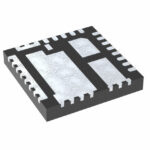 AOZ5017QI
The activity of extra discounts on wholesale prices is in full swing…
Please fill in your contact information and we will send you the latest wholesale price list.





