ChipApex | Global Electronic Components Supplier
SEARCH
Search Product
Search Post
— IC芯片 | 连接器 | 传感器 | 被动器件 —
Search productSearch post
— IC芯片 | 连接器 | 传感器 | 被动器件 —
Consult the customer manager about the wholesale price.
consultation hotline:86-132-6715-2157
email:[email protected]
Contact the product manager for consultation. One-stop consultation is available.
Do you want a lower wholesale price? Please send us your inquiry and we will reply immediately.
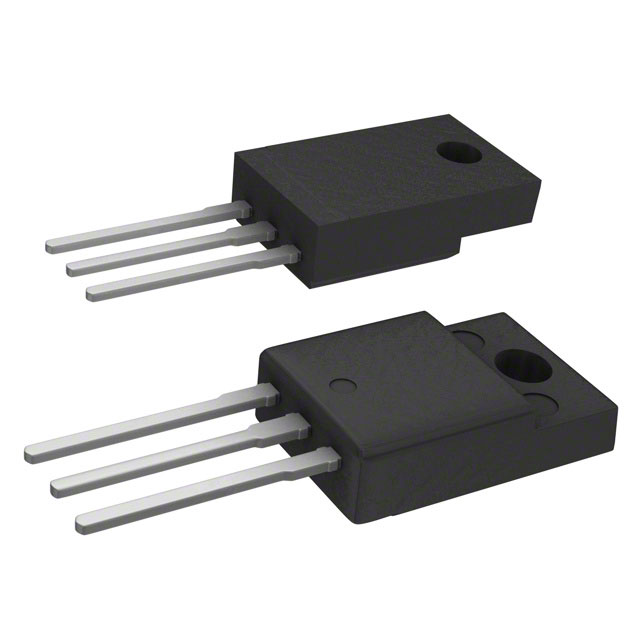
The BYV29F-400-E3/45 is a general-purpose fast recovery rectifier diode manufactured by Vishay Semiconductors. It features an 8.0 A average forward current rating and a 400 V repetitive peak reverse voltage. The device utilizes glass passivation for the pellet chip junction, ensuring reliability under harsh conditions. Key electrical parameters include a maximum forward voltage of 1.3 V at 8 A and a typical reverse leakage current of 10 µA. The unit is housed in a TO-220AC package with a through-hole mounting style, suitable for high-efficiency power conversion applications requiring ultrafast recovery characteristics.
Verify component authenticity through authorized distributors or direct manufacturer channels. Confirm RoHS compliance status as indicated in official documentation. Check for obsolete status notifications, as this specific part number may be discontinued. Ensure packaging integrity matches specified tube quantities. Validate datasheet revisions against current engineering requirements before procurement.
Select this component for designs requiring fast recovery characteristics in medium-power applications. Compare forward voltage and reverse leakage specifications against thermal management capabilities. Ensure the TO-220AC package fits the mechanical constraints of the PCB layout. Verify that the 400 V rating provides adequate margin for transient voltages in the target circuit environment.
This diode belongs to Vishay's BYV29 series of fast recovery rectifiers. The series is designed for general-purpose use in power supplies and motor control. The E3 suffix indicates lead-free and halogen-free construction compliant with environmental standards. The /45 suffix typically denotes specific packaging or tape-and-reel configurations depending on the manufacturer's catalog structure.
Public sources indicate this part is obsolete. Similar substitutes include other Vishay fast recovery diodes with matching 8 A and 400 V ratings. Verify pinout compatibility and thermal resistance values when selecting alternatives from different manufacturers.
 BYV29F-400-E3/45
The activity of extra discounts on wholesale prices is in full swing…
Please fill in your contact information and we will send you the latest wholesale price list.