 ChipApex | Global Electronic Components Supplier
SEARCH
Search Product
Search Post
— IC芯片 | 连接器 | 传感器 | 被动器件 —
Search productSearch post
— IC芯片 | 连接器 | 传感器 | 被动器件 —
Consult the customer manager about the wholesale price.
consultation hotline:86-132-6715-2157
email:[email protected]
Contact the product manager for consultation. One-stop consultation is available.
Do you want a lower wholesale price? Please send us your inquiry and we will reply immediately.
The C8051F302 is an 8-bit mixed-signal microcontroller from Silicon Labs, featuring a high-speed CIP-51 core operating at up to 25 MHz with 25 MIPS throughput. It integrates 8 kB of Flash memory and 256 bytes of internal data RAM. The device includes an 8-bit ADC supporting up to 500 ksps with eight external inputs and programmable amplifier gains. Additional peripherals include a comparator, hardware-enhanced UART and SMBus ports, three general-purpose 16-bit timers, and a 16-bit PCA. It operates on a supply voltage of 2.7 V to 3.6 V within a temperature range of –40 °C to +85 °C.
Verify component authenticity through authorized distributors or direct manufacturer channels. Confirm the specific package variant matches design requirements, as the family supports both 11-pin QFN and 14-pin SOIC configurations. Check revision history for any pinout or electrical characteristic updates. Ensure compliance with relevant environmental standards applicable to the deployment region. Validate that the selected suffix corresponds to the intended temperature grade and packaging format.
Select this model when an integrated 8-bit ADC is required, distinguishing it from variants lacking this peripheral. Consider the 11-pin QFN package for space-constrained designs or the 14-pin SOIC for easier prototyping. Evaluate power consumption requirements against the specified typical operating currents. Ensure the application benefits from the high-speed 8051 core performance. Verify compatibility with existing development tools and software libraries for the C8051F series.
The C8051F302 belongs to the C8051F30x family of mixed-signal ISP Flash MCUs by Silicon Laboratories. This series is characterized by its fully integrated system-on-chip design, combining a fast 8051-compatible processor with extensive analog and digital peripherals. The family targets applications demanding high integration and reduced bill-of-materials count. Documentation indicates these devices are not recommended for new designs, suggesting consideration of newer alternatives for future projects.
Consult official documentation for qualified substitute part numbers within the same product family or next-generation equivalents. Verify pin compatibility and peripheral overlap before substitution. Review updated datasheets for changes in electrical characteristics or package dimensions. Ensure replacement components meet all original design specifications and regulatory requirements.
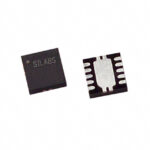 C8051F302
The activity of extra discounts on wholesale prices is in full swing…
Please fill in your contact information and we will send you the latest wholesale price list.






