 ChipApex | Global Electronic Components Supplier
SEARCH
Search Product
Search Post
— IC芯片 | 连接器 | 传感器 | 被动器件 —
Search productSearch post
— IC芯片 | 连接器 | 传感器 | 被动器件 —
Consult the customer manager about the wholesale price.
consultation hotline:86-132-6715-2157
email:[email protected]
Contact the product manager for consultation. One-stop consultation is available.
Do you want a lower wholesale price? Please send us your inquiry and we will reply immediately.
The CDBA120SL-G is a surface mount Schottky barrier rectifier manufactured by Comchip Technology. It features a maximum average forward rectified current of 1.0 A and a maximum repetitive peak reverse voltage of 20 V. The device utilizes a DO-214AC (SMA) molded plastic case with UL 94-0 rated flame retardant epoxy. Key electrical specifications include a maximum RMS voltage of 14 V, a maximum DC blocking voltage of 20 V, and a maximum instantaneous forward voltage of 0.31 V at 1.0 A. The component supports an operating temperature range from -50°C to +80°C and a storage temperature range from -50°C to +125°C.
Verify the specific suffix 'SL' against the manufacturer datasheet to confirm the exact forward voltage characteristics, as variations exist within the CDBA120L series. Ensure the procurement documentation explicitly references the DO-214AC package type and the 20V rating. Confirm compliance with RoHS standards if required by the end application, noting that some variants in this family may differ in environmental certification status.
Select the CDBA120SL-G when a low forward voltage drop is critical for system efficiency at 1.0 A loads. This variant offers a lower forward voltage compared to standard L versions while maintaining the same 20V reverse voltage rating. Consider the thermal resistance and derating curves for high ambient temperature environments. Ensure the SMA package footprint matches the PCB layout requirements for automated surface mount assembly processes.
This component belongs to the CDBA120L through CDBA140SL series of SMD Schottky Barrier Rectifiers produced by Comchip Technology. The series covers voltage ratings from 20V to 40V and includes variants with different forward voltage characteristics denoted by suffixes such as L, LL, and SL. All devices share the same DO-214AC (SMA) surface mount package and basic structural design principles.
Compatible substitutes include other SMA packaged Schottky diodes with a minimum 20V reverse voltage and 1A forward current rating. Verify that replacement parts meet the same forward voltage specifications and thermal performance requirements. Check for pinout compatibility and package dimension tolerances to ensure seamless integration into existing designs.
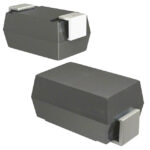 CDBA120SL-G
The activity of extra discounts on wholesale prices is in full swing…
Please fill in your contact information and we will send you the latest wholesale price list.






