ChipApex | Global Electronic Components Supplier
SEARCH
Search Product
Search Post
— IC芯片 | 连接器 | 传感器 | 被动器件 —
Search productSearch post
— IC芯片 | 连接器 | 传感器 | 被动器件 —
Consult the customer manager about the wholesale price.
consultation hotline:86-132-6715-2157
email:[email protected]
Contact the product manager for consultation. One-stop consultation is available.
Do you want a lower wholesale price? Please send us your inquiry and we will reply immediately.
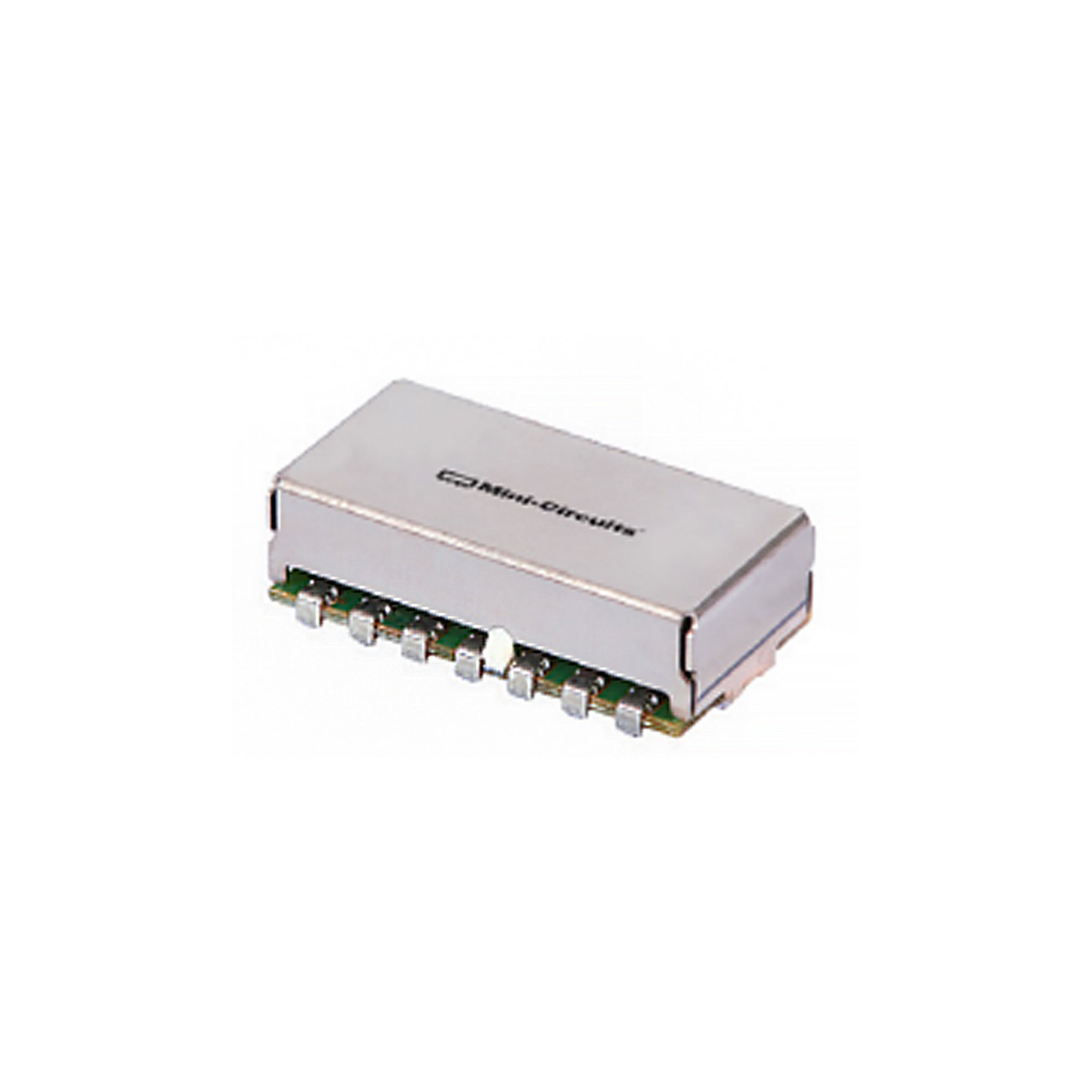
The JSPHS-661+ is an analog phase shifter manufactured by Mini-Circuits, designed for surface mount applications. It operates within a frequency range of 400 MHz to 660 MHz. The device provides a fixed phase shift of 180 degrees across its operational bandwidth. Key electrical specifications include an insertion loss ranging from 1.2 dB to 2.5 dB and a maximum input power capability of 20 dBm. Control is achieved via an external voltage applied between 0 V and 12 V. The component functions with a supply voltage of 15 V and is rated for operation in temperatures spanning from -40°C to +85°C.
Verify the specific suffix designation when ordering, as the plus sign indicates RoHS compliance status according to manufacturer standards. Confirm that the required control voltage range aligns with system capabilities, as the device requires an external DC bias between 0 V and 12 V for proper operation. Ensure PCB layout guidelines are followed to maintain performance integrity at frequencies up to 660 MHz.
Select this component when a fixed 180-degree phase shift is required within the 400 MHz to 660 MHz band. Consider the insertion loss characteristics, which vary between 1.2 dB and 2.5 dB, against system link budget requirements. Evaluate the need for surface mount packaging versus through-hole alternatives if space constraints dictate the form factor. Verify thermal management needs given the operating temperature range limits.
This part belongs to the Mini-Circuits family of RF phase shifters, specifically engineered for high-frequency analog applications. Unlike variable phase shifters, this model offers a static phase change, simplifying control circuitry. It complements other RF components such as mixers and amplifiers in communication subsystems where precise phase relationships are critical for signal integrity and noise reduction.
Direct substitutes may include other Mini-Circuits models offering similar frequency ranges and phase shifts, such as variants within the JSPHS series. Cross-reference technical parameters like insertion loss and control voltage compatibility before substitution. Ensure any alternative component matches the surface mount package dimensions and thermal specifications to maintain board design consistency.
 JSPHS-661+
The activity of extra discounts on wholesale prices is in full swing…
Please fill in your contact information and we will send you the latest wholesale price list.