ChipApex | Global Electronic Components Supplier

SEARCH
Search Product
Search Post
— IC芯片 | 连接器 | 传感器 | 被动器件 —
Search productSearch post
— IC芯片 | 连接器 | 传感器 | 被动器件 —
Consult the customer manager about the wholesale price.
consultation hotline:86-132-6715-2157
email:[email protected]
Contact the product manager for consultation. One-stop consultation is available.
Do you want a lower wholesale price? Please send us your inquiry and we will reply immediately.
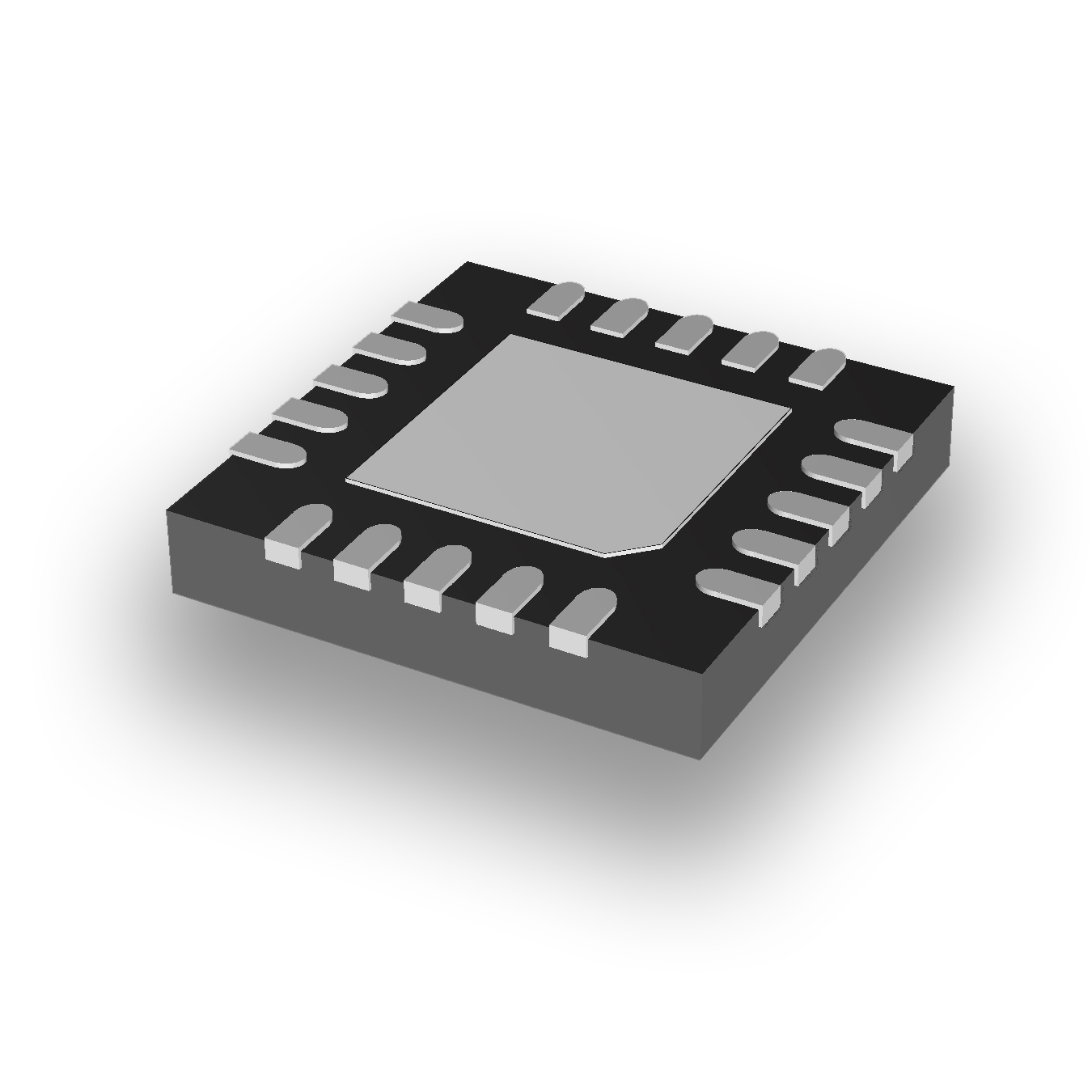
The KTD2064BEUAC-TR is a 24-channel RGB LED driver IC from Kinetic Technologies, designed for precise lighting management. It features an I2C control interface and supports boost and buck topologies. The device operates within a supply voltage range of 2.5 V to 5.5 V and delivers an output current of 24 mA per channel. It functions at a working frequency of 1 MHz and includes adjustable output voltage capabilities. The component is rated for operation between -40°C and +85°C and is available in a UQFN-20 surface-mount package.
Verify the specific ordering suffix and package variant against official Kinetic Technologies documentation before procurement. Confirm that the UQFN-20 footprint matches your design requirements. Ensure compatibility with I2C bus protocols and voltage levels. Cross-reference the manufacturer part number with authorized distributor catalogs to avoid counterfeit components. Validate thermal performance specifications for your intended operating environment.
Select this component when designing systems requiring independent control of multiple RGB channels with minimal interconnect complexity. The integrated multiplexing reduces PCB trace count significantly compared to non-multiplexed solutions. Consider the 24 mA output current capability for driving standard RGB LEDs. Verify that the 2.5 V to 5.5 V input range aligns with your system power architecture. Evaluate the UQFN-20 package size constraints against your board layout limitations.
This part belongs to the Kinetic Technologies LED Lighting Driver IC family, specifically engineered for high-density RGB applications. It shares functional similarities with other models in the series but offers a distinct 24-channel configuration optimized for space-constrained designs. The device addresses common challenges in LED matrix driving by reducing external component count and simplifying signal routing through its multiplexed architecture.
Consult official Kinetic Technologies substitution guides for verified alternative part numbers. Generic cross-references may not match the specific multiplexing frequency or output current characteristics. Verify pinout compatibility and electrical parameters before considering any substitute components.
 KTD2064BEUAC-TR

The activity of extra discounts on wholesale prices is in full swing…
Please fill in your contact information and we will send you the latest wholesale price list.