ChipApex | Global Electronic Components Supplier

SEARCH
Search Product
Search Post
— IC芯片 | 连接器 | 传感器 | 被动器件 —
Search productSearch post
— IC芯片 | 连接器 | 传感器 | 被动器件 —
Consult the customer manager about the wholesale price.
consultation hotline:86-132-6715-2157
email:[email protected]
Contact the product manager for consultation. One-stop consultation is available.
Do you want a lower wholesale price? Please send us your inquiry and we will reply immediately.
The LM124AWGRQMLV is a space-grade, radiation-hardened quad operational amplifier manufactured by Texas Instruments. It features a voltage-feedback architecture with a typical gain-bandwidth product of 1 MHz and a slew rate of 1 V/us. The device operates within a total supply voltage range up to 32 V and maintains an input offset voltage maximum of 3 mV at 25°C. It offers a typical common-mode rejection ratio of 80 dB and consumes 0.175 mA per channel. Designed for harsh environments, it withstands 100 krad TID radiation exposure and supports operation from -55°C to 125°C in a 14-lead CFP package.
Verify the specific suffix QMLV confirms qualification to military or space standards as defined by Texas Instruments documentation. Ensure the 14-CFP package type matches the target board layout requirements. Confirm that the radiation hardness specifications meet the mission's total ionizing dose and single-event latch-up thresholds before final procurement authorization.
Select this component when radiation tolerance and wide temperature operation are critical constraints. The quad configuration reduces board space compared to single-channel alternatives. Verify that the 32 V maximum supply voltage aligns with the system power rails. Consider the bipolar architecture characteristics for bias current and noise performance relative to other available op-amp families.
This part belongs to the LM124 family of low-power quad operational amplifiers. The AWGRQMLV designation indicates a specific variant optimized for space-grade reliability and radiation hardness. It shares functional similarities with standard commercial LM124 devices but includes enhanced testing and material controls required for aerospace and defense applications.
Direct replacements must match the 14-CFP package and QMLV qualification level. Standard commercial LM124 variants lack the necessary radiation hardness for space use. Verify pinout compatibility if substituting with other quad op-amps, though electrical parameters may differ significantly.
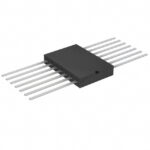 LM124AWGRQMLV

The activity of extra discounts on wholesale prices is in full swing…
Please fill in your contact information and we will send you the latest wholesale price list.