ChipApex | Global Electronic Components Supplier

SEARCH
Search Product
Search Post
— IC芯片 | 连接器 | 传感器 | 被动器件 —
Search productSearch post
— IC芯片 | 连接器 | 传感器 | 被动器件 —
Consult the customer manager about the wholesale price.
consultation hotline:86-132-6715-2157
email:[email protected]
Contact the product manager for consultation. One-stop consultation is available.
Do you want a lower wholesale price? Please send us your inquiry and we will reply immediately.
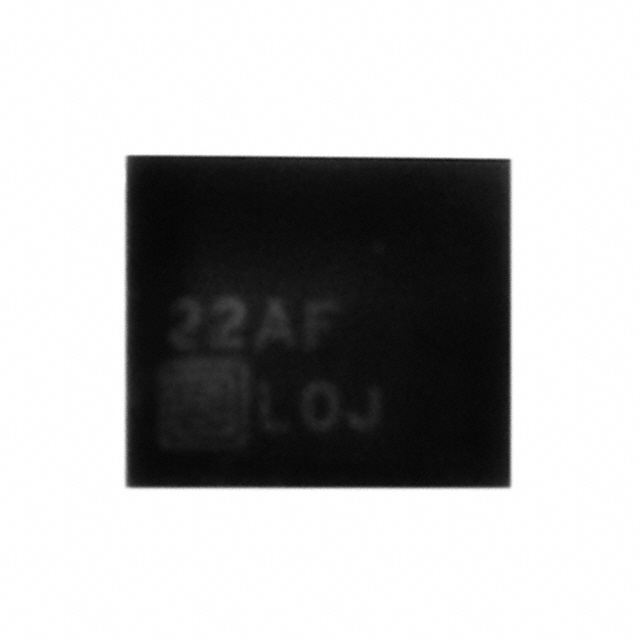
The LM2795BL/NOPB is a current-regulated switched-capacitor LED driver manufactured by Texas Instruments. It features four independent output channels designed for driving white LEDs in portable applications. The device operates with an input voltage range of 2.7V to 5.6V and supports switching frequencies up to 515kHz. It integrates analog and PWM brightness control capabilities, allowing for precise dimming regulation. The component is housed in a 14-pin DSBGA package and functions as a DC-DC regulator utilizing switched capacitor topology.
Verify the specific ordering suffix and package variant against the manufacturer's official datasheet to ensure compatibility with design requirements. Confirm that the component status aligns with long-term availability needs, as some variants may be classified as obsolete or have limited production cycles. Cross-reference pin assignments and thermal specifications with the intended PCB layout.
Select this component when designing circuits requiring multiple regulated LED outputs from a single low-voltage source. Ensure the application input voltage falls within the specified 2.7V to 5.6V range. Consider the thermal performance of the DSBGA package and the switching frequency limitations when evaluating electromagnetic interference constraints. Verify that the required dimming method matches the integrated analog or PWM control interfaces.
This part belongs to the LM2795 series of LED drivers from Texas Instruments. It shares functional similarities with related models such as the LM2795BL and LM2795BLX, which offer identical core functionality but may differ in packaging or distribution formats. The series is characterized by its ability to drive multiple LEDs efficiently using switched-capacitor technology.
Public confirmed substitute part numbers include LM2795BL and LM2795BLX. These variants share the same functional description as current-regulated switched-capacitor LED supplies with analog and PWM brightness control. Verify package compatibility and electrical parameters before substitution.
 LM2795BL/NOPB

The activity of extra discounts on wholesale prices is in full swing…
Please fill in your contact information and we will send you the latest wholesale price list.