ChipApex | Global Electronic Components Supplier

SEARCH
Search Product
Search Post
— IC芯片 | 连接器 | 传感器 | 被动器件 —
Search productSearch post
— IC芯片 | 连接器 | 传感器 | 被动器件 —
Consult the customer manager about the wholesale price.
consultation hotline:86-132-6715-2157
email:[email protected]
Contact the product manager for consultation. One-stop consultation is available.
Do you want a lower wholesale price? Please send us your inquiry and we will reply immediately.
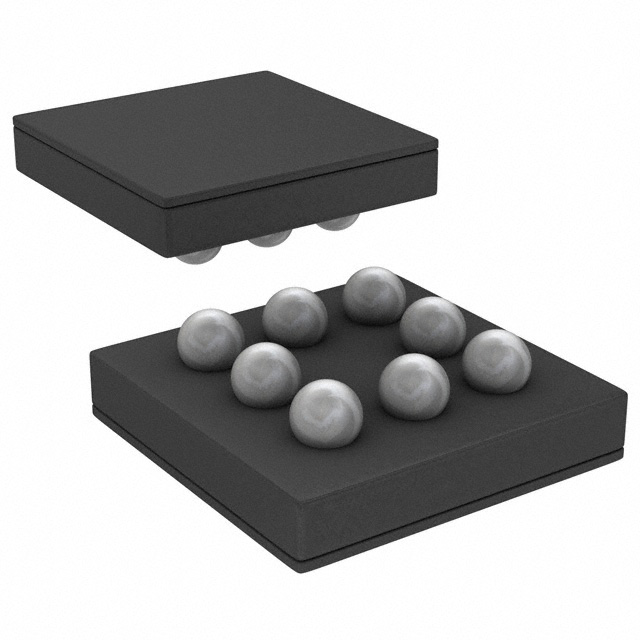
The LM3501TL-16/NOPB is a synchronous step-down DC/DC converter from Texas Instruments, designed for high-efficiency power management in portable applications. It integrates a 1.2A switch and operates with an input voltage range of 2.7V to 5.5V. The device features a fixed output voltage of 1.6V, optimized for powering low-voltage digital loads such as FPGAs and microprocessors. It supports PWM dimming for LED control and includes comprehensive protection mechanisms like overcurrent, thermal shutdown, and soft-start functionality to ensure reliable operation across varying load conditions.
Verify the specific suffix 'NOPB' indicates lead-free packaging compliant with RoHS standards. Confirm the '-16' designation corresponds to the fixed 1.6V output variant. Ensure the TL package type matches your PCB footprint requirements. Cross-reference the datasheet revision date to confirm feature consistency. Validate that the operating temperature range meets your environmental specifications before finalizing procurement.
Select this component when a fixed 1.6V output is required from a single-cell lithium battery or USB source. It is suitable for applications needing moderate current up to 1.2A with high efficiency. Consider the DSBGA package for space-constrained designs. Evaluate the need for PWM dimming if driving LEDs. Compare against adjustable variants if flexible output voltage is necessary instead of a fixed rail.
This part belongs to the LM3501 family of synchronous buck converters. It shares architectural similarities with other members but differs in its fixed output voltage configuration. The family is known for integrating power switches to reduce external component count. It complements Texas Instruments' portfolio of power management ICs for mobile and embedded systems.
Check for LM3501TLX/NOPB if the reel packaging is preferred over cut tape. Verify compatibility with LM3481 series if adjustable output is acceptable. Ensure pinout compatibility with existing designs when substituting. Confirm electrical parameters match the original requirements.
 LM3501TL-16/NOPB

The activity of extra discounts on wholesale prices is in full swing…
Please fill in your contact information and we will send you the latest wholesale price list.