 ChipApex | Global Electronic Components Supplier

SEARCH
Search Product
Search Post
— IC芯片 | 连接器 | 传感器 | 被动器件 —
Search productSearch post
— IC芯片 | 连接器 | 传感器 | 被动器件 —
Consult the customer manager about the wholesale price.
consultation hotline:86-132-6715-2157
email:[email protected]
Contact the product manager for consultation. One-stop consultation is available.
Do you want a lower wholesale price? Please send us your inquiry and we will reply immediately.
The LM5176RHFT is a synchronous four-switch buck-boost DC/DC controller from Texas Instruments, designed for wide input voltage applications. It operates with an input voltage range of 6V to 55V and supports output voltages from 0.8V to 55V. The device features an adjustable switching frequency between 100kHz and 600kHz. It utilizes a 28-pin VQFN package (5x4mm) and is rated for junction temperatures from -40°C to +125°C.
Verify that the specific suffix RHFT corresponds to the tape-and-reel packaging configuration required for your assembly process. Confirm that the component meets AEC-Q100 qualification standards if intended for automotive deployment. Ensure the ordering part number matches the exact temperature grade and package variant specified in the design documentation to avoid compatibility issues during manufacturing.
Select this controller when the application demands a single-stage solution for buck-boost conversion rather than separate regulators. Consider the 28-VQFN package for space-constrained designs requiring high thermal performance. Evaluate the need for external components such as bootstrap capacitors and gate drivers based on the specific inductor and switch ratings chosen for the power stage.
This component belongs to the LM5176 family of wide VIN synchronous buck-boost controllers. It serves as a non-isolated power management IC suitable for replacing traditional two-stage solutions. The device integrates high-side and low-side driver circuits to control external N-channel MOSFETs, simplifying the bill of materials compared to discrete implementations.
Direct substitutes include the LM5175 series, which offers similar functionality but may differ in maximum voltage ratings or pinout configurations. Verify electrical parameters and thermal characteristics before swapping to ensure circuit stability and compliance with safety regulations.
Yes, the synchronous four-switch topology allows the device to operate efficiently in buck mode when the output voltage is below the input voltage.
The device supports a minimum input voltage of 6V, enabling operation from standard battery sources or regulated rails.
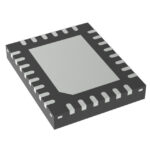 LM5176RHFT

The activity of extra discounts on wholesale prices is in full swing…
Please fill in your contact information and we will send you the latest wholesale price list.




