ChipApex | Global Electronic Components Supplier

SEARCH
Search Product
Search Post
— IC芯片 | 连接器 | 传感器 | 被动器件 —
Search productSearch post
— IC芯片 | 连接器 | 传感器 | 被动器件 —
Consult the customer manager about the wholesale price.
consultation hotline:86-132-6715-2157
email:[email protected]
Contact the product manager for consultation. One-stop consultation is available.
Do you want a lower wholesale price? Please send us your inquiry and we will reply immediately.
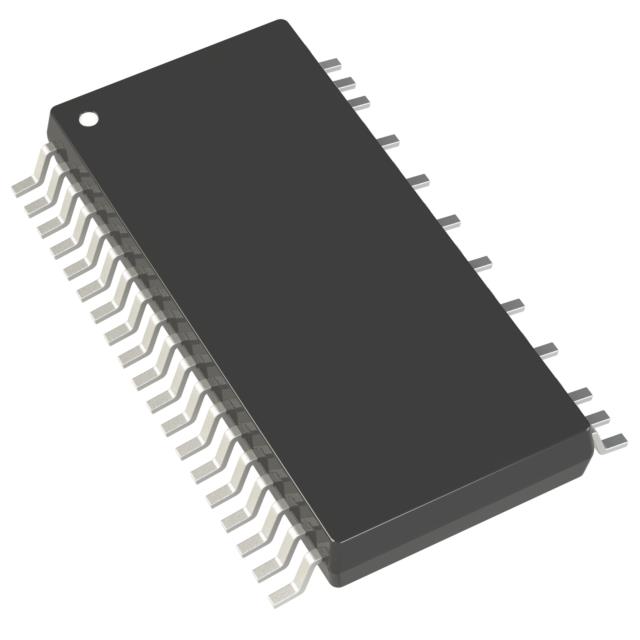
The LT8705MPFE#PBF is a high-performance synchronous buck-boost switching regulator controller from Analog Devices Inc. It operates with input voltages above, below, or equal to the output voltage, supporting up to 80V VIN and VOUT. The device features a 38-TFSOP package with an exposed pad and supports a switching frequency range of 100kHz to 400kHz. It includes clock synchronization, soft start, and enable functions. The operating temperature range extends from -55°C to 150°C (TJ), making it suitable for demanding industrial applications.
Verify component authenticity through authorized Analog Devices distributors. Confirm package marking matches LT8705MPFE#PBF. Check datasheet revision history for any recent changes. Ensure storage conditions comply with moisture sensitivity levels. Validate supplier documentation against official Analog Devices part specifications before procurement.
Select this controller when input voltage varies significantly around the output voltage level. Consider the 80V maximum rating for high-voltage systems. Evaluate thermal performance given the 150°C junction temperature limit. Compare switching frequency requirements against EMI constraints. Verify compatibility with external MOSFETs for the four-switch topology implementation.
The LT8705 series represents Analog Devices' advanced buck-boost controller family designed for applications requiring seamless transition between boost and buck modes. The MPFE variant offers extended temperature range compared to standard versions. This controller integrates precision current mode control and provides robust protection features for critical power conversion tasks in industrial and telecom sectors.
LT8705EFE#PBF serves as a direct pin-compatible alternative with standard industrial temperature range (-40°C to 125°C). Verify temperature requirements before substitution. Both parts share identical electrical characteristics and pinout configurations. Ensure PCB layout remains unchanged during replacement to maintain performance integrity.
 LT8705MPFE#PBF

The activity of extra discounts on wholesale prices is in full swing…
Please fill in your contact information and we will send you the latest wholesale price list.