 ChipApex | Global Electronic Components Supplier
SEARCH
Search Product
Search Post
— IC芯片 | 连接器 | 传感器 | 被动器件 —
Search productSearch post
— IC芯片 | 连接器 | 传感器 | 被动器件 —
Consult the customer manager about the wholesale price.
consultation hotline:86-132-6715-2157
email:[email protected]
Contact the product manager for consultation. One-stop consultation is available.
Do you want a lower wholesale price? Please send us your inquiry and we will reply immediately.
The LX7202-15ISF is a USB line terminator integrated circuit manufactured by Microsemi Corporation. It provides EMI and ESD protection for two USB termination lines within a compact SOT-23-6 surface-mount package. The device operates with a supply voltage of 5.25V and supports an extended operating temperature range from -40°C to 125°C. Designed specifically for USB applications, it ensures signal integrity while protecting against electromagnetic interference and electrostatic discharge events in demanding environments.
Verify the manufacturer designation as Microsemi Corporation or its successor entity Microchip Technology when sourcing components. Confirm the specific suffix ISF corresponds to the required tape-and-reel or tube packaging configuration if applicable. Ensure the part number matches the exact pinout and electrical specifications documented in the official datasheet to avoid compatibility issues with existing PCB layouts.
Select this component for applications requiring robust EMI and ESD shielding on USB lines where space is limited. The SOT-23-6 package offers a small footprint suitable for portable devices. Consider the -40°C to 125°C operating range for industrial or automotive environments. Verify that the 5.25V supply voltage aligns with the system's power architecture before integration.
This component belongs to the family of USB line terminators designed for signal integrity and protection. Similar models like the LX7201-15ISF exist within the same product line, often differing in channel count or specific interface optimizations. These devices are critical for maintaining compliance with USB standards while safeguarding sensitive downstream circuitry from transient voltage spikes and noise interference.
Publicly confirmed substitute part numbers are not available in the provided documentation. Users should consult official Microchip Technology resources for direct replacements or cross-reference options based on specific performance requirements and availability constraints.
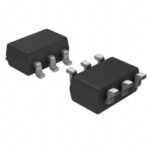 LX7202-15ISF
The activity of extra discounts on wholesale prices is in full swing…
Please fill in your contact information and we will send you the latest wholesale price list.





