ChipApex | Global Electronic Components Supplier
SEARCH
Search Product
Search Post
— IC芯片 | 连接器 | 传感器 | 被动器件 —
Search productSearch post
— IC芯片 | 连接器 | 传感器 | 被动器件 —
Consult the customer manager about the wholesale price.
consultation hotline:86-132-6715-2157
email:[email protected]
Contact the product manager for consultation. One-stop consultation is available.
Do you want a lower wholesale price? Please send us your inquiry and we will reply immediately.
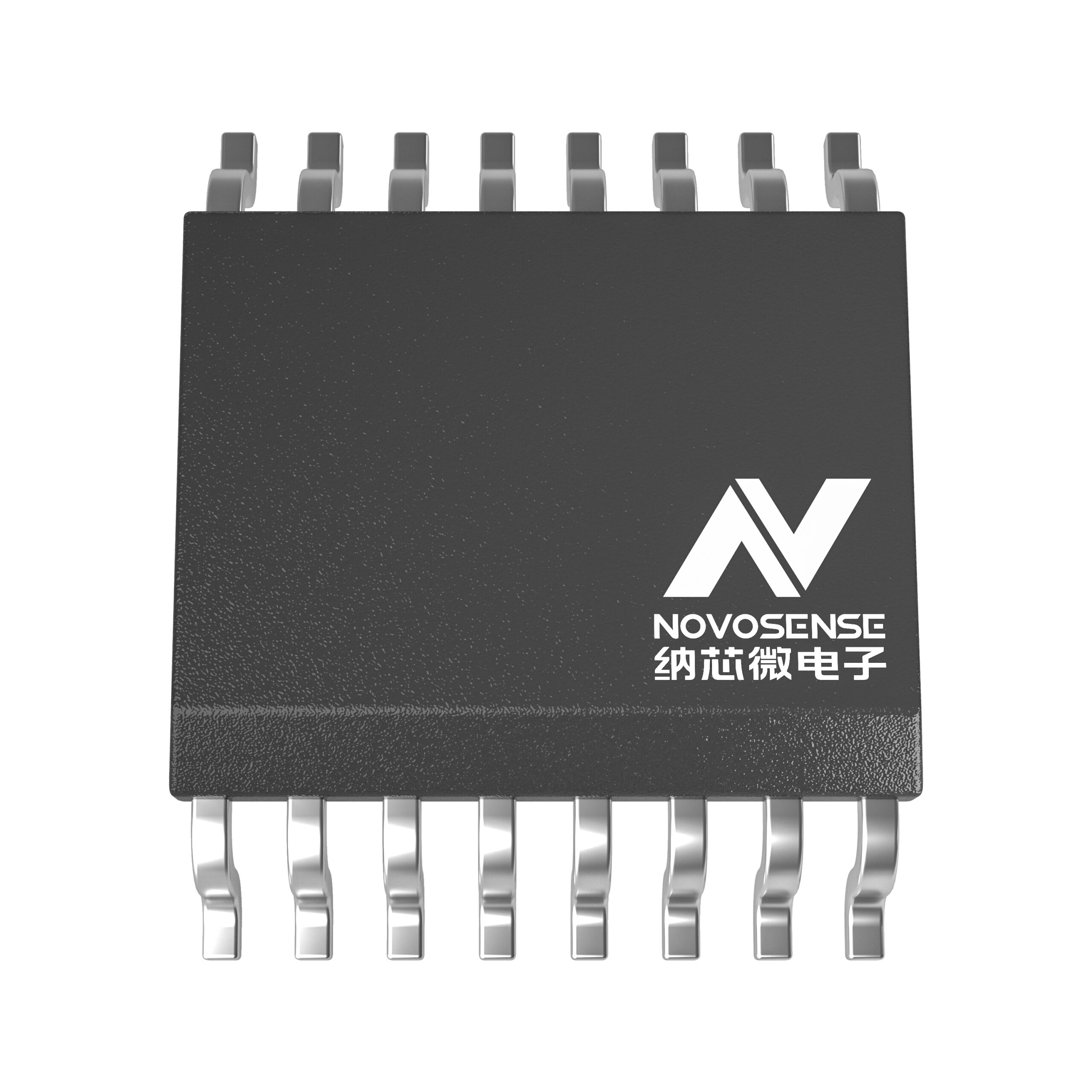
The NSA9260X-QSSR is an automotive-grade signal conditioning IC designed for bridge pressure sensors. It integrates a programmable gain amplifier with a range of 1x to 256x, two 24-bit ADCs for primary and temperature signals, and an on-chip MCU for calibration logic. The device supports second-order temperature drift and third-order nonlinearity calibration, achieving up to 0.1% accuracy. It features OWI digital interface, analog voltage or PWM output, and wide supply protection from -24V to 28V. Operating within -40°C to 150°C, it meets AEC-Q100 standards.
Verify the specific suffix QSSR against the manufacturer's official datasheet to confirm package type and tape/reel specifications. Ensure the component meets AEC-Q100 qualification requirements for your target automotive application. Cross-reference the ordering code with authorized distributors to confirm availability and authenticity. Check for any specific handling instructions related to the SSOP16 surface mount package during assembly.
Select this component when precise signal conditioning for bridge sensors is required in harsh automotive environments. The integrated calibration capabilities reduce external component count and improve system accuracy. Consider the OWI interface compatibility with your host controller. Evaluate the need for PWM versus analog output based on your system design constraints. Verify that the operating temperature range aligns with your application's thermal profile.
The NSA9260X series addresses the need for high-integration signal processing in automotive pressure sensing. It combines analog front-end precision with digital calibration flexibility. The chip is designed to replace discrete solutions, offering a compact SSOP16 package. Its focus on reliability and error detection makes it suitable for safety-critical automotive subsystems requiring stable performance over time and temperature variations.
Check for direct substitutes within the NOVOSENSE portfolio that share identical pinouts and functionality. Verify if alternative part numbers offer different packaging options while maintaining the same electrical characteristics. Ensure any replacement maintains AEC-Q100 certification for automotive use. Confirm software compatibility if the replacement uses a different calibration algorithm structure.
 NSA9260X-QSSR
The activity of extra discounts on wholesale prices is in full swing…
Please fill in your contact information and we will send you the latest wholesale price list.