 ChipApex | Global Electronic Components Supplier

SEARCH
Search Product
Search Post
Search productSearch post
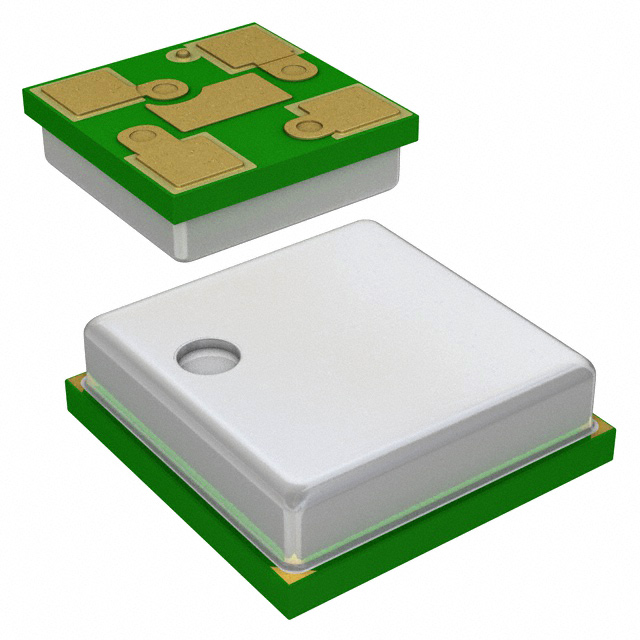
Pressure Sensors or Transducers are designed to detect and respond to the presence or a change in the amount of force on the device. The pressure types are Absolute, Compound, Differential, Gauge, Sealed Gauge, Switch, Vacuum, and Vented Gauge with operating pressures from -100PSI (-689.48kPa) to 20000PSI (137895.15kPa).
| Select products | Mfr | Description | Package | Supplier Device Package | Mounting Type | Series | Operating Temperature |
|---|---|---|---|---|---|---|---|
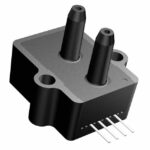 0.25 INCH-D-4V $121.04 | Amphenol All Sensors Corporation | SENSOR 0.01PSID 0.19" 4.25V | Tube | - | Through Hole | ADCA | -25°C ~ 85°C |
0.3 PSI-D-4V $87.32 | Amphenol All Sensors Corporation | SENSOR 0.3PSID 0.19" 4.25V | Tube | - | Through Hole | AXCA | -25°C ~ 85°C |
0.3 PSI-D-4V-MIL $183.60 | Amphenol All Sensors Corporation | SENSOR 0.3PSID 0.19" 4.25V | Tube | - | Through Hole | AXCA | -40°C ~ 125°C |
0.3 PSI-D-4V-PRIME $126.06 | Amphenol All Sensors Corporation | SENSOR 0.3PSID 0.19" 4.25V | Tube | - | Through Hole | AXCA | -40°C ~ 125°C |
0.3 PSI-D-4V-PRIME-REF $112.14 | Amphenol All Sensors Corporation | SENSOR 0.3PSID 0.19" 4.25V | Bulk | - | Through Hole | - | -40°C ~ 125°C |
 0.3 PSI-D-CGRADE-MINI $37.00 | Amphenol All Sensors Corporation | SENSOR 0.3PSID 0.18" .02V | Tube | - | Through Hole | ACPC | -25°C ~ 85°C |
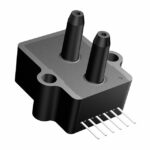 0.3 PSI-D-CGRADE-MV $45.49 | Amphenol All Sensors Corporation | SENSOR 0.3PSID 0.19" .02V | Tray | - | Through Hole | AXCX | -25°C ~ 85°C |
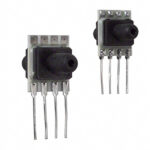 0.3 PSI-D-HGRADE-MINI $50.92 | Amphenol All Sensors Corporation | SENSOR 0.3PSID 0.18" .02V | Tube | - | Through Hole | ACPC | -25°C ~ 85°C |
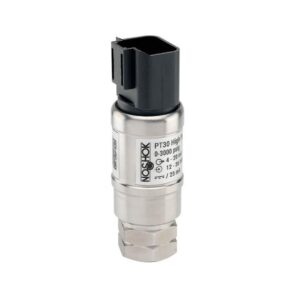 PT30-1500psig-1-1-50-21-CCView Product
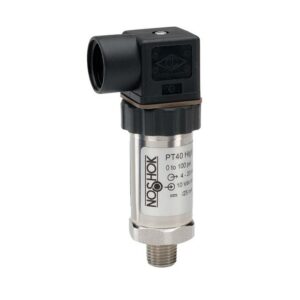 PT40-3000psig-1-1-45-14View Product
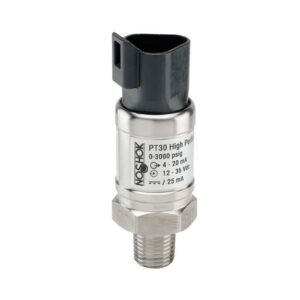 PT30-600psig-1-2-2-46-CCView Product
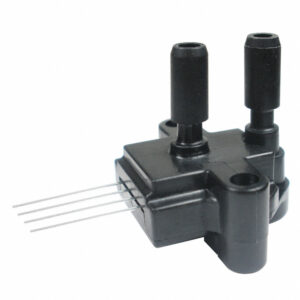 SSCSNBN015PDAC5View Product
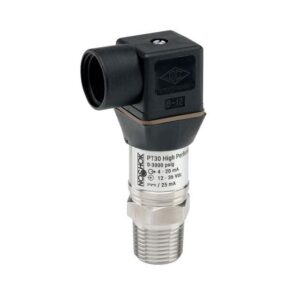 PT30-100psic-1-5-2-14-ST8View Product
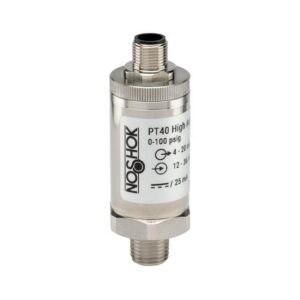 PT40-200psig-1-2-8-25-CCView Product
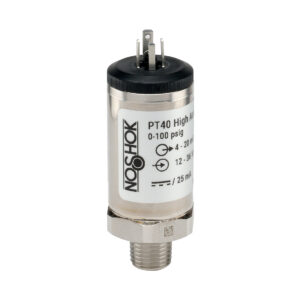 PT40-10psig-2-2-2-70-CCView Product
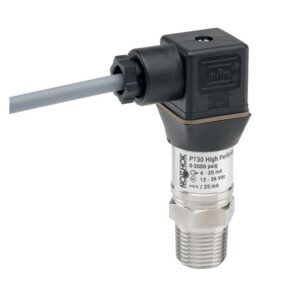 PT30-4000psig-1-5-2-18View ProductPT30-600psig-1-1-50-18-ST8View Product
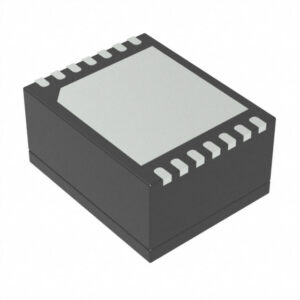 MLX90818LXE-BAE-016-SPView Product
 XGZP191101GView Product
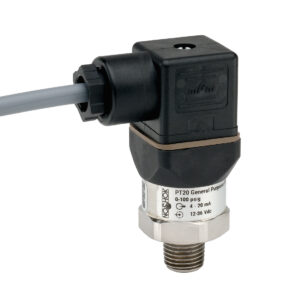 PT20-500PSIG-1-1-8-18-ST8-CCView Product
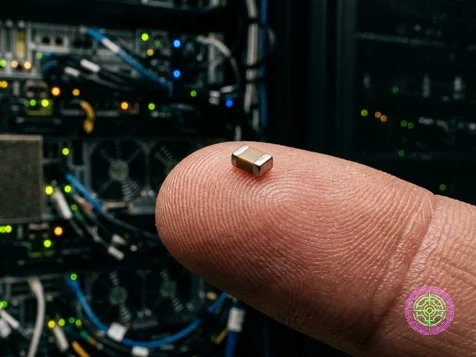
The multilayer ceramic capacitor (MLCC) market has fallen into a severe structural supply crunch in the third quarter of 2026, driven by explosive demand…
Read More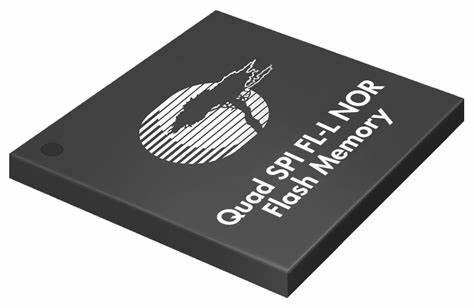
What Is NOR Flash? Why It Still Powers Critical Embedded Systems When your car’s engine control unit boots in milliseconds… When a medical device…
Read More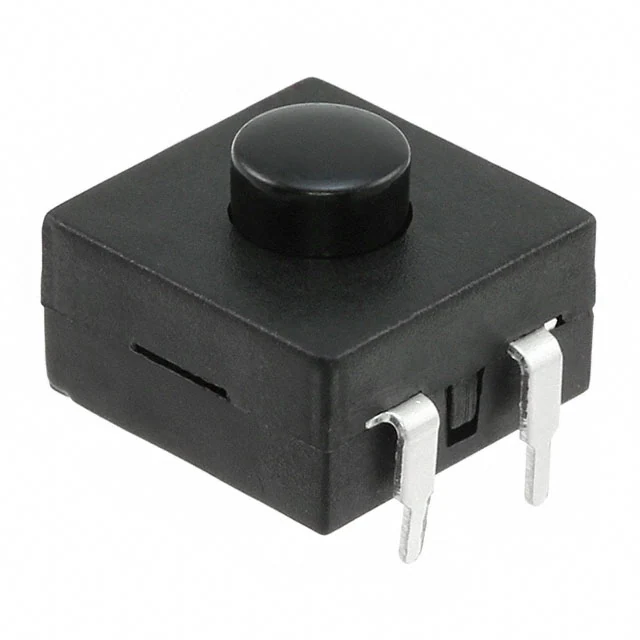
Compare momentary and latching push button switches. Check NO/NC contacts, micro-load current, illumination terminals, panel fit and replacement requirements.
Read MoreA digital-to-analog converter (DAC) turns a digital number into an analog voltage or current. It lets a controller set a physical output, such as…
Read More
Learn how to read an eye diagram by separating vertical noise from horizontal jitter, spotting ISI double banding, and avoiding probe and bandwidth traps.
Read More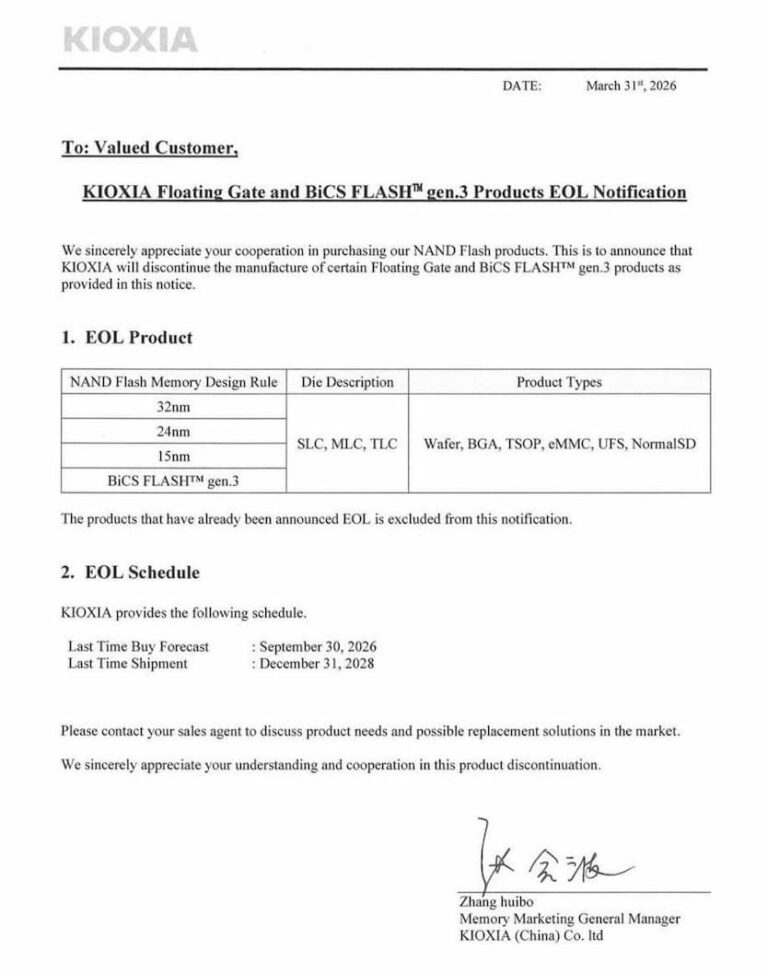
TOKYO, April 1, 2026 – Kioxia Corporation (formerly Toshiba Memory Corporation), a global leader in flash memory and storage solutions, has officially issued a…
Read More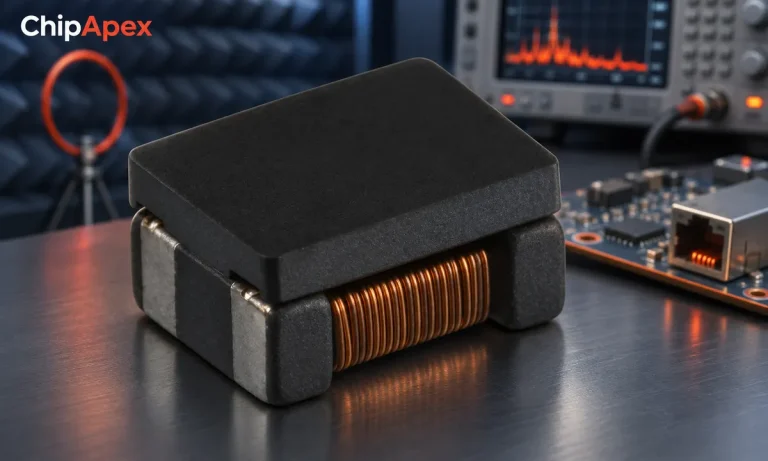
Select a common mode choke using noise frequency, current, insulation and signal integrity. Understand impedance curves, layout and filter limitations.
Read More
The global memory market is entering an unprecedented supply-constrained phase as soaring demand from artificial intelligence (AI) infrastructure collides with strategic capacity reallocations by…
Read More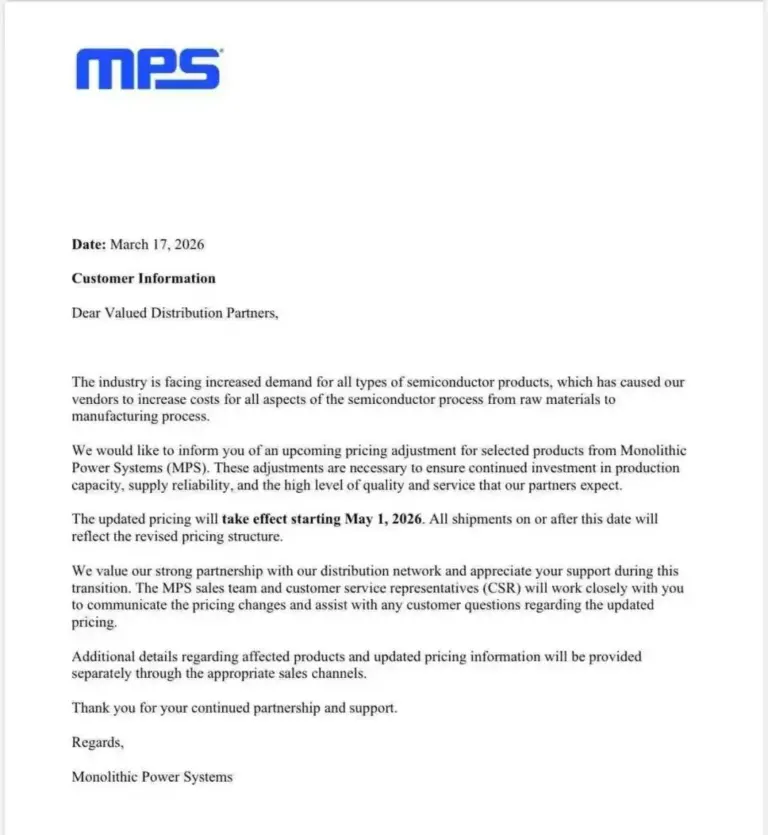
Monolithic Power Systems (MPS), a global leader in analog and mixed-signal semiconductors, has notified its distribution partners of an upcoming price increase for selected…
Read More
Learn how CPLDs implement hardware logic, compare them with FPGAs and MCUs, and check timing, I/O voltage, startup behavior and programming requirements.
Read More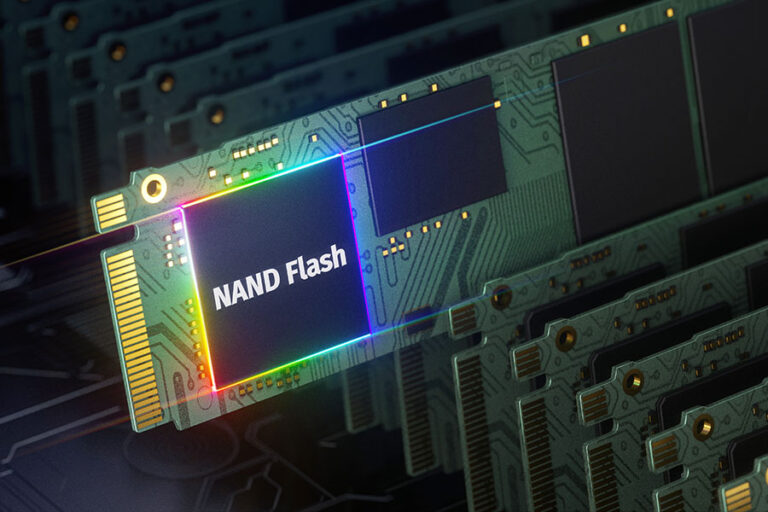
What Is NAND Flash? A Practical Guide for Engineers & Procurement Teams In today’s data-driven world—from smartphones and SSDs to industrial IoT devices—NAND flash…
Read More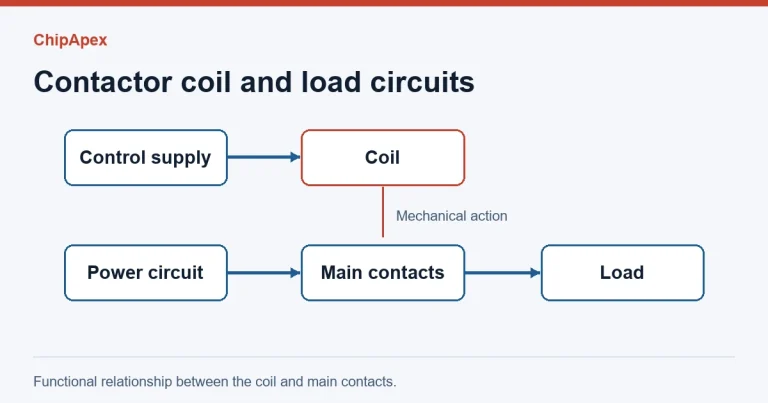
Learn what a contactor does, how it differs from a relay or starter, and how to check coil voltage, motor duty and protection before…
Read More
The activity of extra discounts on wholesale prices is in full swing…
Please fill in your contact information and we will send you the latest wholesale price list.

