ChipApex | Global Electronic Components Supplier

SEARCH
Search Product
Search Post
Search productSearch post
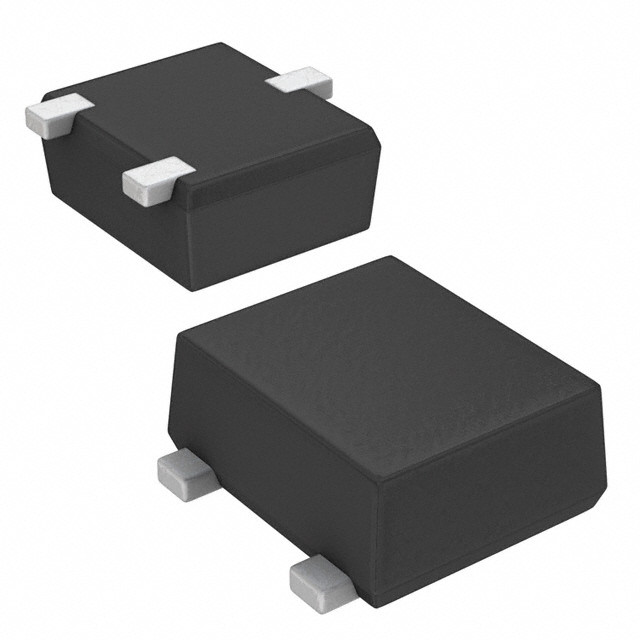
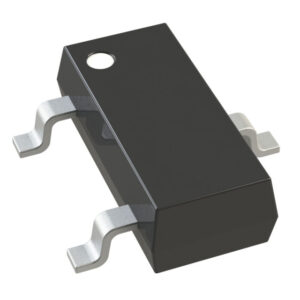
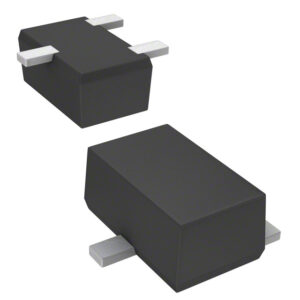
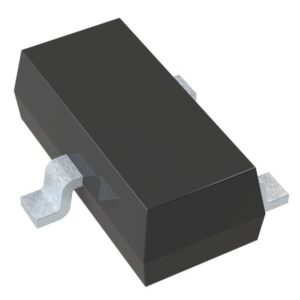
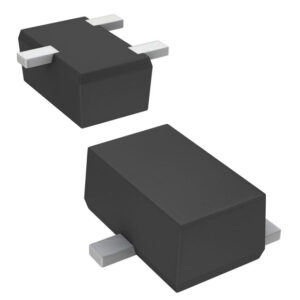
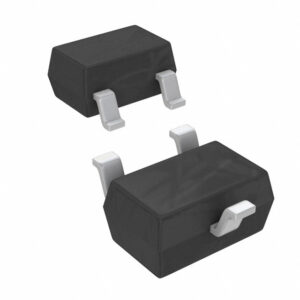
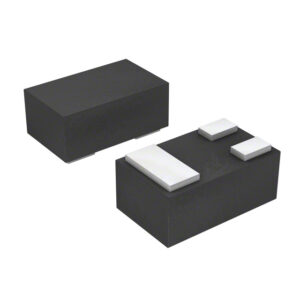
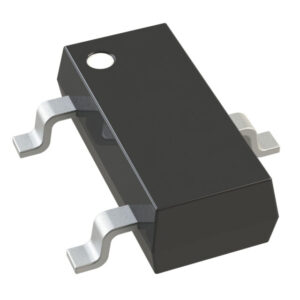
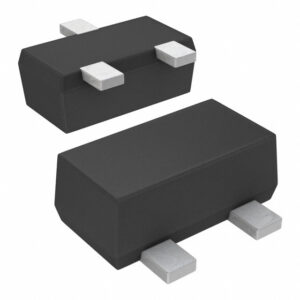
Pre-biased/Digital transistors (also known as BRT’s) are designed to interface directly with digital logic for inverter, level-shifting, switching, and buffer applications. The pre-biased transistors are typically identified by the inclusion of a series base (R1) current limiting resistor as well as a shunt (turn-off) resistor across the base-collector junction (R2) to reduce leakage current by ensuring that the transistor is completely turned off in the absence of an input signal. Pre-biased transistors reduce the number of external circuit components required, thereby reducing project costs
| Select products | Mfr | Description | Package | Supplier Device Package | Mounting Type | Series | Operating Temperature |
|---|---|---|---|---|---|---|---|
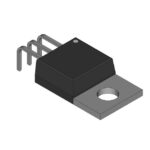 2SA1345 $0.07 | onsemi | SMALL SIGNAL BIPOLAR TRANSISTOR | Bulk | 3-SPA | Through Hole | - | |
 2SA1345-AC $0.04 | onsemi | SMALL SIGNAL BIPOLAR TRANSISTOR | Bulk | 3-SPA | Through Hole | - | |
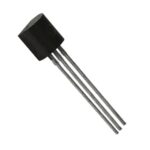 2SA1346-AC $0.16 | onsemi | SMALL SIGNAL BIPOLAR TRANSISTOR | Bulk | 3-SPA | Through Hole | - | |
2SA1346-SSH-AC $0.14 | onsemi | SMALL SIGNAL BIPOLAR TRANSISTOR | Bulk | 3-SPA | Through Hole | - | |
2SA1347-AC $0.26 | onsemi | SMALL SIGNAL BIPOLAR TRANSISTOR | Bulk | 3-SPA | Through Hole | - | |
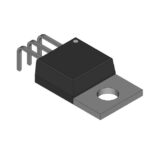 2SA1348 $0.12 | onsemi | SMALL SIGNAL BIPOLAR TRANSISTOR | Bulk | 3-SPA | Through Hole | - | |
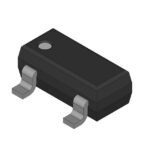 2SA1502-TB-E $0.05 | onsemi | TRANS PREBIAS PNP 50V | Bulk | - | - | * | |
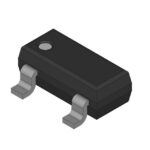 2SA1508-TB-E $0.05 | onsemi | TRANS PREBIAS PNP 50V | Bulk | - | - | * |

TOKYO — Global leading semiconductor and power electronic components manufacturer Renesas Electronics officially issued a new price adjustment notice in early September 2026, confirming…
Read More
Geneva, Switzerland – August 20, 2026 – Global leading semiconductor manufacturer STMicroelectronics (ST) has officially issued a new global price adjustment notice to global…
Read More
Learn how to use ferrite beads for noise filtering. Check impedance, DC bias, placement, resonance and load-step behavior before selecting a part.
Read More
CHICAGO, USA – May 27, 2026 – Global leading interconnect manufacturer Molex officially issued a global distributor price adjustment notice on May 27, confirming…
Read More
Choose LED drivers by current, string voltage, dimming and thermal limits. Understand constant-current operation and the checks needed for your load.
Read More
Select a bridge rectifier by reverse voltage, capacitor charging current, startup surge and cooling. Work through a stated DC voltage and ripple example.
Read More
Wilmington, Mass. & Milpitas, Calif. – May 19, 2026 – Analog Devices, Inc. (NASDAQ: ADI), a global leader in high-performance analog and mixed-signal semiconductors,…
Read More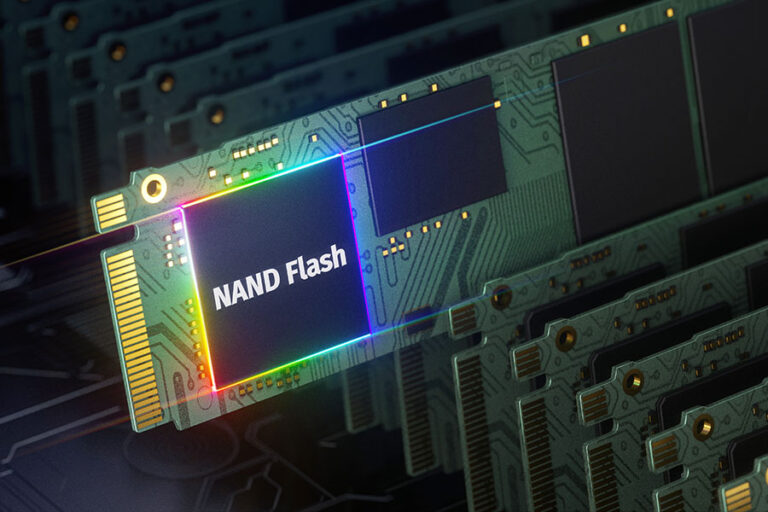
What Is NAND Flash? A Practical Guide for Engineers & Procurement Teams In today’s data-driven world—from smartphones and SSDs to industrial IoT devices—NAND flash…
Read More
Choose a miniature circuit breaker for a control panel. Compare trip curves, startup duration, interrupting capacity and branch protection requirements.
Read More
In the world of embedded electronics, getting a device to "think" is only half the battle. The other half is getting it to communicate…
Read More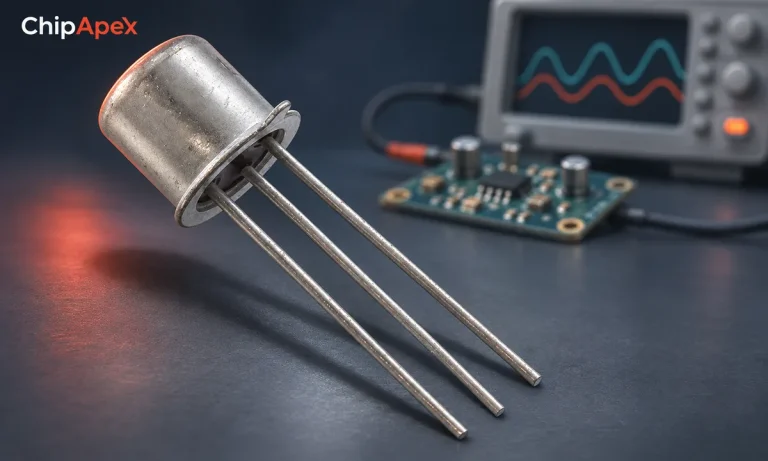
Learn what a transistor does in a circuit. Compare switching and amplification, BJT and MOSFET drive, operating limits and practical component selection.
Read More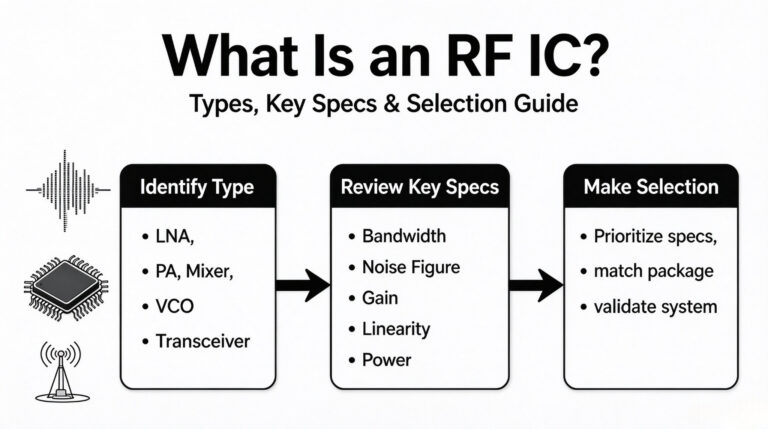
An RF IC, or radio-frequency integrated circuit, is a chip that processes wireless signals between the antenna and the baseband processor. Instead of building…
Read More
The activity of extra discounts on wholesale prices is in full swing…
Please fill in your contact information and we will send you the latest wholesale price list.