ChipApex | Global Electronic Components Supplier

SEARCH
Search Product
Search Post
— IC芯片 | 连接器 | 传感器 | 被动器件 —
Search productSearch post
— IC芯片 | 连接器 | 传感器 | 被动器件 —
Consult the customer manager about the wholesale price.
consultation hotline:86-132-6715-2157
email:[email protected]
Contact the product manager for consultation. One-stop consultation is available.
Do you want a lower wholesale price? Please send us your inquiry and we will reply immediately.
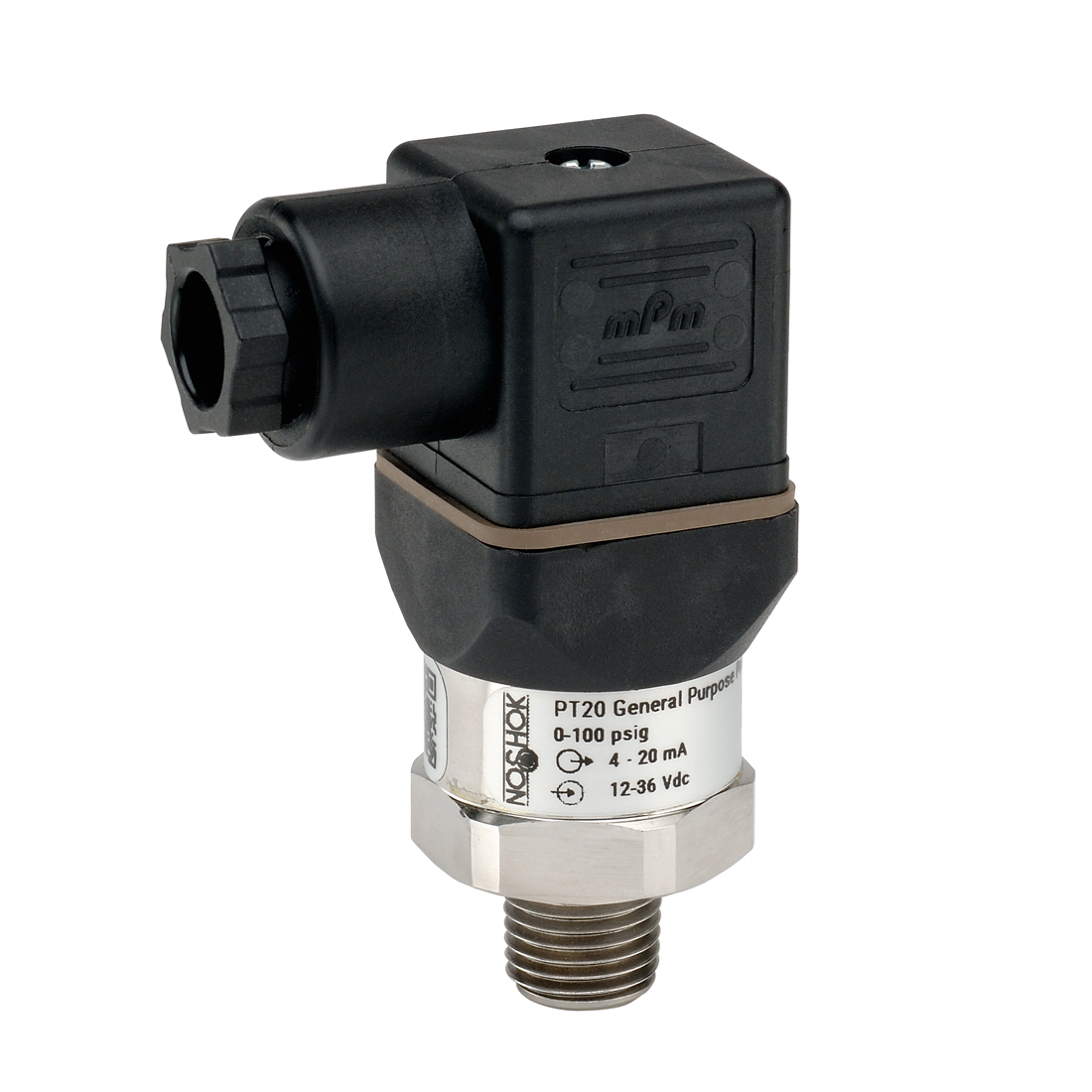
The NOSHOK PT20-15PSIV-1-1-2-8-ST8-CC is a general-purpose fixed-range pressure transmitter designed for industrial monitoring. It features a compact stainless steel construction with wetted parts made of 316 Stainless Steel to ensure durability in demanding environments. The unit provides precise pressure measurement across gauge, compound, absolute, and vacuum ranges from 1 psig to 15,000 psig. This specific model supports current and voltage outputs, facilitating seamless integration into control systems. Its robust design maximizes uptime and efficiency while providing reliable protection against harsh process conditions.
Verify the exact pressure range and output signal type required for your application before ordering. Confirm that the process media is compatible with 316 Stainless Steel wetted parts. Ensure the electrical connection style matches your existing cabling infrastructure. Cross-reference the model suffixes with official NOSHOK documentation to confirm specific configuration details such as thread size and mounting orientation.
Select this transmitter when a durable, general-purpose solution is needed for pressures between 1 and 15,000 psig. Consider the PT20 series if you require a balance of performance and cost-effectiveness. Evaluate the available output options to match your controller's input requirements. Check environmental factors to ensure the stainless steel housing meets your corrosion resistance needs.
The PT20 series represents NOSHOK's line of general-purpose fixed-range transmitters and transducers. These devices are engineered to provide reliable pressure measurement in a variety of industrial settings. The series includes models with gauge, compound, absolute, and vacuum ranges, offering versatility for different system requirements. They are part of NOSHOK's broader portfolio of pressure, level, and temperature instrumentation.
When replacing existing units, verify that the new transmitter matches the original pressure range and output signal. Ensure the physical dimensions and mounting configuration are compatible with the existing installation. Confirm that the process connection thread size and type align with the current piping or equipment interface.
 PT20-15PSIV-1-1-2-8-ST8-CC

The activity of extra discounts on wholesale prices is in full swing…
Please fill in your contact information and we will send you the latest wholesale price list.