ChipApex | Global Electronic Components Supplier
SEARCH
Search Product
Search Post
— IC芯片 | 连接器 | 传感器 | 被动器件 —
Search productSearch post
— IC芯片 | 连接器 | 传感器 | 被动器件 —
Consult the customer manager about the wholesale price.
consultation hotline:86-132-6715-2157
email:[email protected]
Contact the product manager for consultation. One-stop consultation is available.
Do you want a lower wholesale price? Please send us your inquiry and we will reply immediately.
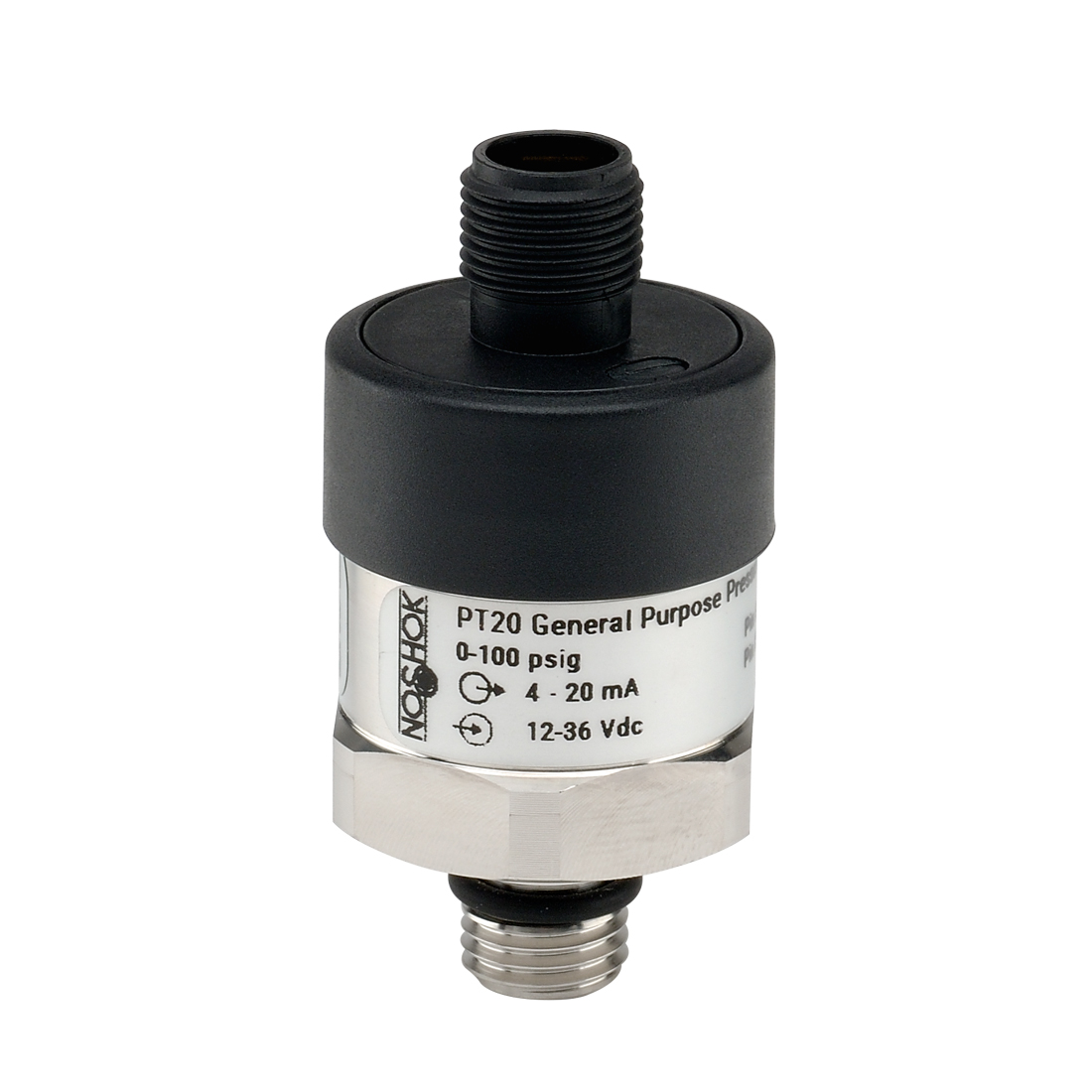
The NOSHOK PT20-60PSIG-1-1-2-25-ST8 is a high-accuracy industrial pressure transmitter designed for gauge, compound, absolute, and vacuum applications. It features premium accuracy with field-adjustable offset and span capabilities. The device utilizes 316 stainless steel wetted parts to ensure durability in demanding environments. It supports multiple output signals including 4mA to 20mA two-wire and various voltage outputs. The unit offers a rapid response time of less than 1ms and complies with CE and RoHS standards for electromagnetic interference suppression and environmental safety.
Verify the specific model suffixes against official NOSHOK documentation to confirm exact electrical outputs, process connections, and housing materials. Ensure that the selected configuration matches the required pressure range and environmental conditions. Cross-reference part numbers with authorized distributors to guarantee authenticity and access to valid technical datasheets for installation and maintenance.
Select this transmitter based on the required pressure range, output signal type, and accuracy class. Consider the operating temperature limits and media compatibility with the wetted parts material. Evaluate the need for field-adjustable parameters and environmental protection ratings such as IP65 or IP67. Confirm power supply requirements align with the chosen output configuration for optimal system integration.
The PT20 series represents NOSHOK's line of high-accuracy fixed-range transmitters and transducers. These devices are engineered for industrial applications requiring reliable pressure measurement. The series includes various configurations to accommodate different pressure ranges and output signals. NOSHOK provides extensive support for these products through detailed documentation and technical assistance.
Consult official NOSHOK documentation for direct replacements or upgrades within the PT series. Verify compatibility with existing mounting hardware and electrical connections when substituting components.
 PT20-60PSIG-1-1-2-25-ST8
The activity of extra discounts on wholesale prices is in full swing…
Please fill in your contact information and we will send you the latest wholesale price list.