 ChipApex | Global Electronic Components Supplier
SEARCH
Search Product
Search Post
— IC芯片 | 连接器 | 传感器 | 被动器件 —
Search productSearch post
— IC芯片 | 连接器 | 传感器 | 被动器件 —
Consult the customer manager about the wholesale price.
consultation hotline:86-132-6715-2157
email:[email protected]
Contact the product manager for consultation. One-stop consultation is available.
Do you want a lower wholesale price? Please send us your inquiry and we will reply immediately.
The NOSHOK PT30-10000PSIG-1-1-50-66-ST8 is a high-pressure pressure gauge designed for extreme industrial environments. It features a maximum operating pressure of 10,000 PSIG and utilizes a stainless steel case with a glycerin-filled movement to dampen vibration and pulsation. The instrument includes a 66mm dial face for enhanced readability and is equipped with a 1/4-inch rear connection. Constructed with corrosion-resistant materials, this gauge ensures reliable performance in demanding applications requiring precise pressure monitoring under high-stress conditions.
Verify the specific wetted material compatibility with the process fluid to prevent chemical degradation. Confirm the required connection size and thread type matches the existing panel or pipe interface. Ensure the ambient temperature range aligns with the operational environment to maintain accuracy. Request calibration certificates if traceability is required for quality assurance protocols. Check for any special ordering suffixes that might alter the case material or dial marking.
Select this model when standard gauges fail due to excessive vibration or pressure spikes. The 10,000 PSIG rating exceeds typical industrial requirements, offering a significant safety margin. The glycerin fill is essential for longevity in high-vibration settings compared to dry instruments. Consider the 66mm dial size for visibility needs in noisy or distant control rooms. Evaluate the need for additional certifications such as ATEX or SIL if used in hazardous areas.
This component belongs to NOSHOK's high-performance pressure instrumentation line, known for durability in severe service. The brand specializes in providing customized solutions for industries where standard off-the-shelf products are insufficient. This specific gauge represents the intersection of high-pressure capability and ruggedized design, catering to sectors like defense, energy, and advanced manufacturing where reliability is critical.
When replacing older models, ensure the new unit matches the original connection thread and diameter. Verify that the replacement gauge meets or exceeds the previous pressure rating. Check if the dial orientation and mounting style are compatible with the existing installation. Confirm that the process fluid compatibility remains unchanged to avoid material incompatibility issues during the swap.
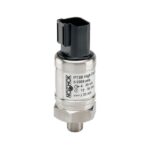 PT30-10000PSIG-1-1-50-66-ST8
The activity of extra discounts on wholesale prices is in full swing…
Please fill in your contact information and we will send you the latest wholesale price list.







