 ChipApex | Global Electronic Components Supplier
SEARCH
Search Product
Search Post
— IC芯片 | 连接器 | 传感器 | 被动器件 —
Search productSearch post
— IC芯片 | 连接器 | 传感器 | 被动器件 —
Consult the customer manager about the wholesale price.
consultation hotline:86-132-6715-2157
email:[email protected]
Contact the product manager for consultation. One-stop consultation is available.
Do you want a lower wholesale price? Please send us your inquiry and we will reply immediately.
The NOSHOK PT30-10000PSIG-1-13-2-46-ST8-CC is a high-pressure gauge designed for industrial applications requiring precise pressure monitoring up to 10,000 PSIG. It features a 4-inch dial diameter and utilizes a stainless steel wetted path construction to ensure durability in corrosive environments. The instrument includes a liquid-filled movement, typically glycerin, to dampen vibration and pulsation, providing stable readings under dynamic conditions. This model incorporates a rear connection configuration with a 1/4 inch NPT lower process connection, facilitating easy installation in confined spaces while maintaining structural integrity at extreme pressures.
Verify the specific process media compatibility with the stainless steel wetted parts before deployment. Confirm that the 10,000 PSIG rating aligns with the maximum system pressure including surge conditions. Ensure the 1/4 inch NPT thread size matches the existing panel or pipe fittings. Check if the liquid fill type meets the required temperature range for the intended application environment.
Select this model when standard gauges fail due to vibration or high-pressure requirements. The 4-inch dial offers enhanced readability compared to smaller variants. The rear connection style is preferred for panel-mounted installations where front access is limited. Consider the liquid fill for applications with significant mechanical shock or pulsating flow to extend element life.
This part belongs to the NOSHOK high-pressure gauge series, engineered for demanding industrial sectors. The brand emphasizes robust construction and long-term reliability in harsh environments. The specific suffix codes define the connection type, dial size, and material composition, ensuring precise customization for critical infrastructure needs.
Direct replacements must match the 10,000 PSIG range and 1/4 inch NPT rear connection. Verify dial diameter compatibility with existing cutouts. Ensure the replacement unit supports the same process media and temperature extremes as the original component.
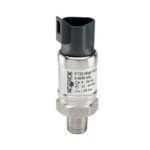 PT30-10000PSIG-1-13-2-46-ST8-CC
The activity of extra discounts on wholesale prices is in full swing…
Please fill in your contact information and we will send you the latest wholesale price list.






