 ChipApex | Global Electronic Components Supplier
SEARCH
Search Product
Search Post
— IC芯片 | 连接器 | 传感器 | 被动器件 —
Search productSearch post
— IC芯片 | 连接器 | 传感器 | 被动器件 —
Consult the customer manager about the wholesale price.
consultation hotline:86-132-6715-2157
email:[email protected]
Contact the product manager for consultation. One-stop consultation is available.
Do you want a lower wholesale price? Please send us your inquiry and we will reply immediately.
The NOSHOK PT30-10000PSIG-1-5-2-70-CC is a high-pressure pressure gauge designed for industrial applications requiring precise measurement of extreme pressures. It features a maximum operating pressure of 10,000 PSIG and utilizes a bourdon tube mechanism for accurate indication. The device includes a 1/4-inch NPT lower connection for secure installation into pressurized systems. Constructed with corrosion-resistant materials, it ensures durability in demanding environments. This model provides reliable performance for monitoring hydraulic and pneumatic systems where standard gauges may fail due to excessive pressure levels.
Verify the specific pressure rating and connection type against your system requirements before purchase. Ensure that the 10,000 PSIG limit aligns with your operational safety margins. Confirm the 1/4-inch NPT thread size matches your existing piping or manifold connections. Check for any additional environmental ratings if the application involves corrosive media or extreme temperatures. Request calibration certificates if traceable accuracy is required for your quality standards.
Select this model when standard pressure gauges are insufficient for the intended pressure range. Consider the material compatibility with the process fluid to prevent corrosion. Evaluate the need for dampening features if the system experiences rapid pressure fluctuations. Ensure the dial size and readability meet the operator's viewing distance requirements. Verify that the connection orientation fits the available space in the installation panel.
This part belongs to NOSHOK's line of industrial pressure measurement instruments. NOSHOK manufactures a wide range of pressure gauges, transmitters, and switches for various industries. The PT series typically denotes standard bourdon tube gauges. This specific model addresses the niche requirement for very high-pressure measurement in a compact form factor suitable for panel mounting or direct system connection.
When replacing an existing gauge, ensure the new unit has the same pressure range and connection thread size. Verify that the dial face markings and units match the previous instrument to avoid confusion. Check the physical dimensions to ensure it fits within the existing cutout or mounting bracket. If the old gauge had special features like liquid filling, consider if those are necessary for the replacement.
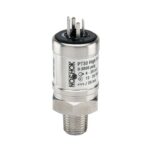 PT30-10000PSIG-1-5-2-70-CC
The activity of extra discounts on wholesale prices is in full swing…
Please fill in your contact information and we will send you the latest wholesale price list.







