 ChipApex | Global Electronic Components Supplier

SEARCH
Search Product
Search Post
— IC芯片 | 连接器 | 传感器 | 被动器件 —
Search productSearch post
— IC芯片 | 连接器 | 传感器 | 被动器件 —
Consult the customer manager about the wholesale price.
consultation hotline:86-132-6715-2157
email:[email protected]
Contact the product manager for consultation. One-stop consultation is available.
Do you want a lower wholesale price? Please send us your inquiry and we will reply immediately.
The PTN5110THQZ is a single-port USB Power Delivery (PD) Type-C Port Controller Interface (TCPC) PHY IC manufactured by NXP. It implements the Type-C Configuration Channel (CC) interface and USB PD physical layer functions to communicate with a host TCPM for policy management. The device complies with USB PD, Type-C, and TCPC specifications. It supports various Type-C roles including sink, source, DRP, and accessory modes. Integrated features include a VCONN load switch with programmable current limit, reverse leakage blocking, over-temperature protection, and two enable control outputs for power path FETs. It provides I2C-bus interface registers and state machines as defined in the TCPC specification.
Verify the specific suffix THQZ against official NXP documentation to confirm package type and tape-and-reel specifications. Ensure compatibility with the target system's I2C addressing requirements, as up to four slave addresses can be selected. Confirm that the host TCPM implementation aligns with the TCPC register map and control flow defined in the datasheet.
Select this component for designs requiring a standalone TCPC PHY to offload Type-C and PD handling from the main processor. It is suitable for applications needing integrated VCONN switching and VBUS discharge capabilities. Verify that the system architecture supports the required I2C communication and that the host software stack implements the necessary TCPM logic defined in the specification.
The PTN5110 is part of NXP’s portfolio of USB Type-C and Power Delivery solutions. It complements other components such as the NX20P series for data protection and power switches. This IC focuses on the control and physical layer aspects of the Type-C interface, enabling manufacturers to build compliant USB PD sources and sinks without implementing complex analog CC circuitry or PD PHYs manually.
Check for updated revisions or alternative packages within the PTN5110 family. Consult NXP documentation for any direct pin-to-pin replacements or upgraded versions with enhanced feature sets. Ensure any substitute maintains compliance with the same USB PD and Type-C specifications.
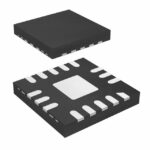 PTN5110THQZ

The activity of extra discounts on wholesale prices is in full swing…
Please fill in your contact information and we will send you the latest wholesale price list.






