ChipApex | Global Electronic Components Supplier
SEARCH
Search Product
Search Post
— IC芯片 | 连接器 | 传感器 | 被动器件 —
Search productSearch post
— IC芯片 | 连接器 | 传感器 | 被动器件 —
Consult the customer manager about the wholesale price.
consultation hotline:86-132-6715-2157
email:[email protected]
Contact the product manager for consultation. One-stop consultation is available.
Do you want a lower wholesale price? Please send us your inquiry and we will reply immediately.
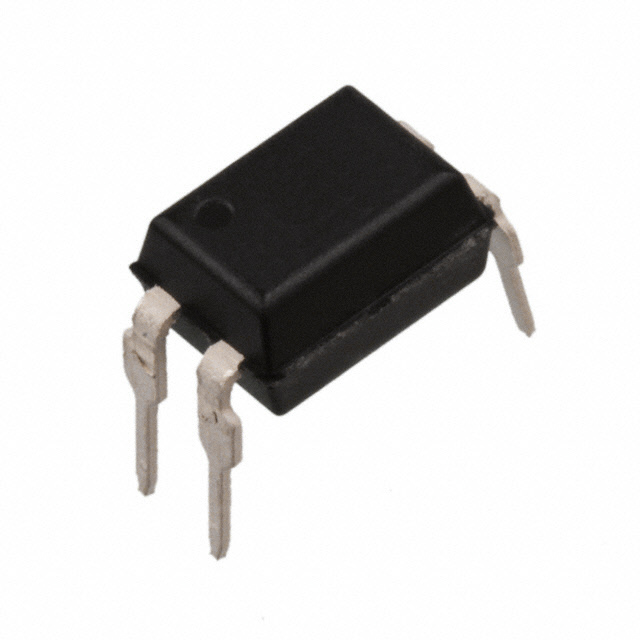
The SFH620A-3 is a single-channel optically coupled isolator manufactured by Isocom Components 2004 LTD. It integrates inverse parallel infrared light emitting diodes with an NPN silicon phototransistor to facilitate AC input signal isolation. The device provides high current transfer ratios and low coupling capacitance, ensuring reliable signal transmission across electrical barriers. Key electrical specifications include an input-to-output isolation voltage of 5300 VRMS and a peak withstand voltage of 7500 VPK. The collector-emitter saturation voltage is specified at 0.4 V under conditions of 10 mA forward current and 2.5 mA collector current. These parameters define its performance in standard digital isolation applications.
Verify the specific ordering suffix against the manufacturer's official documentation to ensure the correct package type and compliance certifications are selected. Confirm that the component meets all relevant regulatory requirements for your target market, including UL and VDE standards. Cross-reference the part number with authorized distributors to avoid counterfeit products and ensure supply chain integrity.
Select this component when AC input isolation is required without additional rectifying components. Evaluate the 5300 VRMS isolation rating against system voltage requirements. Consider the current transfer ratio and saturation voltage for logic level compatibility. Ensure the DIP package format fits the PCB layout constraints compared to surface-mount alternatives like the SFH6206 series.
The SFH620A series represents Isocom's line of plastic commercial optocouplers, evolving from earlier military-grade ceramic products. This series serves as a replacement for legacy parts from manufacturers such as Litronix and Siemens. The SFH620A-3 specifically targets general-purpose isolation needs, offering a balance of performance and cost-effectiveness for commercial electronics manufacturing.
Publicly confirmed substitute part numbers for the SFH620A-3 are not available in the provided source material. Engineers should consult official cross-reference lists or contact the manufacturer directly for verified equivalent components.
 SFH620A-3
The activity of extra discounts on wholesale prices is in full swing…
Please fill in your contact information and we will send you the latest wholesale price list.