ChipApex | Global Electronic Components Supplier
SEARCH
Search Product
Search Post
— IC芯片 | 连接器 | 传感器 | 被动器件 —
Search productSearch post
— IC芯片 | 连接器 | 传感器 | 被动器件 —
Consult the customer manager about the wholesale price.
consultation hotline:86-132-6715-2157
email:[email protected]
Contact the product manager for consultation. One-stop consultation is available.
Do you want a lower wholesale price? Please send us your inquiry and we will reply immediately.
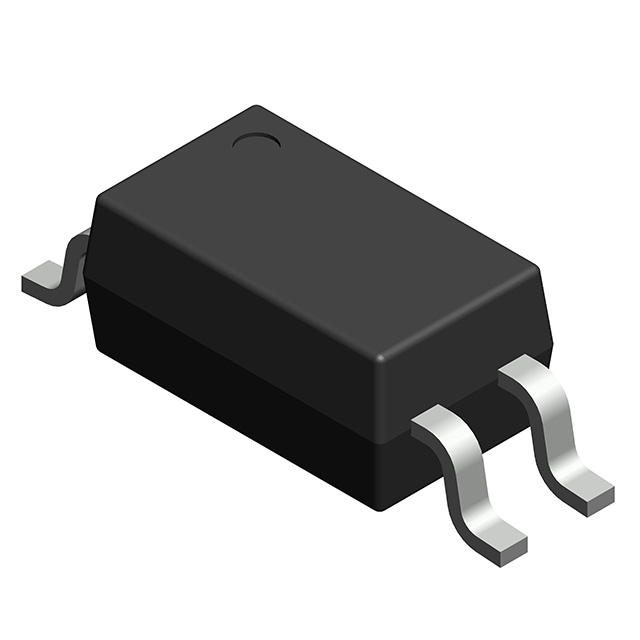
The TCMT1110 is a single-channel phototransistor output optocoupler manufactured by Vishay Semiconductor Opto Division. It features an infrared-emitting diode optically coupled to a phototransistor within a 4-lead Mini-Flat plastic package. The device provides high isolation voltage of 3750Vrms and operates over a wide ambient temperature range from -40°C to +110°C. Key electrical parameters include a minimum current transfer ratio of 50% at 5mA input current, with a maximum collector-emitter saturation voltage of 200mV. The component supports surface mount installation and is designed for reliable signal transmission in compact electronic circuits.
Verify the specific suffix and marking code on the component body to confirm it matches the TCMT1110 designation exactly. Ensure that the supplier provides official datasheets confirming the 3750Vrms isolation rating and the specified current transfer ratio characteristics. Check for compliance with relevant safety standards required for your application environment before finalizing procurement decisions.
Select this component when high isolation voltage and wide temperature operation are critical requirements. Consider the Mini-Flat package dimensions for PCB layout constraints. Evaluate the current transfer ratio specifications against the driving circuit capabilities to ensure adequate signal margin. Compare alternative devices only if specific pinout or package variations are needed for existing board designs.
The TCMT1110 belongs to the TCMT11xx series of optocouplers from Vishay. This series utilizes gallium arsenide infrared-emitting diodes coupled to phototransistors in plastic Mini-Flat packages. The family offers various current transfer ratio options to suit different sensitivity requirements while maintaining consistent physical footprint and isolation performance characteristics across the product line.
TCMT1101 is listed as a similar replacement option from the same manufacturer. Verify compatibility regarding isolation voltage ratings and current transfer ratios before substitution. Ensure that any substitute component meets the same thermal and electrical specifications required by the original design constraints.
 TCMT1110
The activity of extra discounts on wholesale prices is in full swing…
Please fill in your contact information and we will send you the latest wholesale price list.