ChipApex | Global Electronic Components Supplier
SEARCH
Search Product
Search Post
— IC芯片 | 连接器 | 传感器 | 被动器件 —
Search productSearch post
— IC芯片 | 连接器 | 传感器 | 被动器件 —
Consult the customer manager about the wholesale price.
consultation hotline:86-132-6715-2157
email:[email protected]
Contact the product manager for consultation. One-stop consultation is available.
Do you want a lower wholesale price? Please send us your inquiry and we will reply immediately.
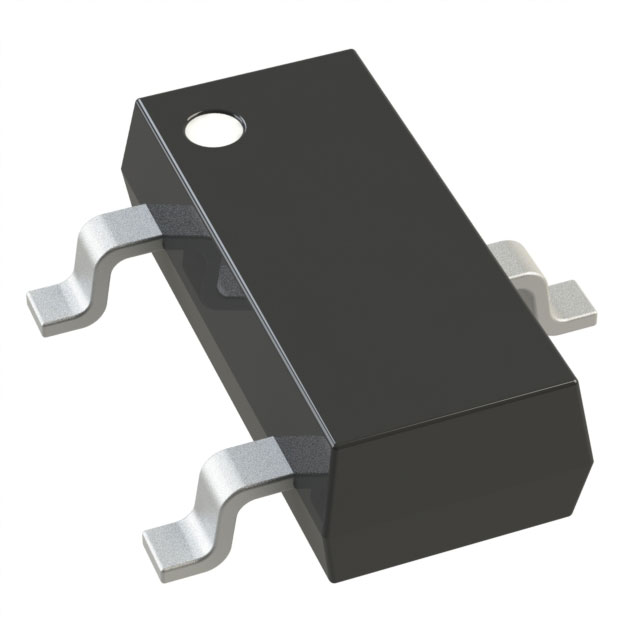
The UNR31A0 is a silicon PNP epitaxial planar transistor with a built-in base resistor, designed for digital circuits. It utilizes the SSSMini3-F1 package to facilitate high-density mounting and equipment downsizing while contributing to low power consumption. The device features a collector-emitter voltage of -50 V and a maximum collector current of -80 mA. Key electrical characteristics include a forward current transfer ratio (hFE) ranging from 160 to 460 at an IC of -5 mA, and a transition frequency of 80 MHz. The internal connection integrates a 47 kΩ input resistor.
Verify the specific lifecycle status before procurement, as the datasheet indicates potential maintenance or discontinuation phases. Confirm that the required RoHS compliance aligns with current environmental regulations. Ensure the ordering suffix matches the exact packaging requirements specified by the manufacturer. Cross-reference the latest product standards to guarantee specification accuracy prior to final design approval.
Select this component when a compact PNP transistor with integrated biasing is required for digital loads. Verify that the -50 V collector-emitter voltage rating exceeds the maximum operating voltage. Ensure the total power dissipation limit of 100 mW accommodates the thermal conditions of the application. Check that the hFE range meets the necessary gain requirements for the intended switching speed.
This component belongs to Panasonic's lineup of transistors with built-in resistors, specifically engineered for digital circuit applications. The UNR31A series is designed to reduce board space and simplify schematic designs by integrating the base resistor directly into the transistor package. This family targets general electronic equipment where size reduction and power efficiency are critical design parameters.
Consult official replacement lists for verified substitutes. Generic equivalents may not match the specific built-in resistor tolerance or package dimensions. Verify compatibility with existing PCB footprints and thermal management strategies before substitution.
 UNR31A000L
The activity of extra discounts on wholesale prices is in full swing…
Please fill in your contact information and we will send you the latest wholesale price list.