 ChipApex | Global Electronic Components Supplier
SEARCH
Search Product
Search Post
— IC芯片 | 连接器 | 传感器 | 被动器件 —
Search productSearch post
— IC芯片 | 连接器 | 传感器 | 被动器件 —
Consult the customer manager about the wholesale price.
consultation hotline:86-132-6715-2157
email:[email protected]
Contact the product manager for consultation. One-stop consultation is available.
Do you want a lower wholesale price? Please send us your inquiry and we will reply immediately.
The Z8S18010PSG is a microprocessor unit based on the Z180 architecture, manufactured by Zilog. It features an 8-bit data bus and operates at a maximum clock frequency of 10 MHz. The device is housed in a 64-pin Dual In-line Package (DIP) with a pin pitch of 2.54 mm. It functions within a supply voltage range of 4.5 V to 5.5 V, with a nominal rating of 5 V. The operational temperature range spans from 0°C to +70°C. This component provides backward compatibility with the Z80 CPU while offering extended instruction sets and integrated peripherals.
Verify the specific package type and speed grade against project requirements before integration. Confirm that the 64-pin DIP form factor aligns with existing PCB footprints. Check for RoHS compliance status if environmental regulations apply. Ensure the 5V operating voltage matches the system power rails. Validate that the commercial temperature range meets the deployment environment specifications.
Select this component when Z80 software compatibility is mandatory alongside enhanced peripheral integration. Consider the 64-pin DIP package for through-hole manufacturing processes or prototyping needs. Evaluate the 10 MHz speed against system timing constraints. Assess the need for the specific on-chip timers and UARTs to reduce external component count. Verify power consumption requirements against the available low-power modes.
This part belongs to the Z8S180 series, which enhances the original Z80180 design. The series offers improved execution speeds and reduced EMI noise. It integrates additional features such as ESCC-like Baud Rate Generators and modified DMA capabilities. The Z8S180 maintains full backward compatibility with existing Z80 devices while providing a superset of instructions.
Publicly confirmed substitute part numbers are not available in the provided documentation. The Z8S180 series has been marked as obsolete in some distributor records. Designers should review the official product discontinuance notifications for potential end-of-life implications.

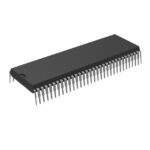 Z8S18010PSG
The activity of extra discounts on wholesale prices is in full swing…
Please fill in your contact information and we will send you the latest wholesale price list.




