 ChipApex | Global Electronic Components Supplier
SEARCH
Search Product
Search Post
— IC芯片 | 连接器 | 传感器 | 被动器件 —
Search productSearch post
— IC芯片 | 连接器 | 传感器 | 被动器件 —
Consult the customer manager about the wholesale price.
consultation hotline:86-132-6715-2157
email:[email protected]
Contact the product manager for consultation. One-stop consultation is available.
Do you want a lower wholesale price? Please send us your inquiry and we will reply immediately.
The 2SJ325-Z-E1-AY is a P-channel small signal MOSFET manufactured by Renesas Electronics Corporation. It is designed for switching applications in solenoid, motor, and lamp drivers. The device features a low on-state resistance (RDS(on)) to minimize power loss during conduction. It operates with a drain-source voltage of 30V and supports a continuous drain current of 4A. The component is housed in a 3-pin MP-3Z package with an exposed tab for thermal management. It is lead-free and RoHS compliant, suitable for industrial and consumer use.
Verify the exact part number suffix, such as -E1-AY or -E1-AZ, against your bill of materials, as these may indicate specific tape-and-reel packaging or regional variants without changing the core electrical function. Confirm RoHS compliance status if required by your manufacturing process. Ensure the supplier provides official documentation from Renesas Electronics Corporation to guarantee authenticity and traceability.
Select this component when a P-channel MOSFET with 30V rating and 4A current capacity is required for compact designs. The MP-3Z package offers a balance of thermal performance and space efficiency. Consider the low RDS(on) for applications where minimizing conduction losses is critical. Verify that the gate drive voltage levels are compatible with the device's threshold characteristics for reliable switching operation.
This part belongs to Renesas' single FETs category, specifically within their P-channel MOSFET lineup. It is engineered for general-purpose switching tasks in both industrial and consumer sectors. The 2SJ325 series is known for its reliability in driving inductive loads like motors and solenoids. Renesas continues to support this component line with updated environmental compliance data.
Check for direct substitutes like the 2SJ325-Z-E1-AZ, which shares the same base part number but may differ in packaging configuration. Ensure any replacement maintains identical pinout, voltage ratings, and current capabilities. Verify that the alternative component meets the same thermal and mechanical specifications for your PCB layout.
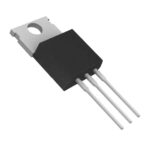 2SJ325-Z-E1-AY
The activity of extra discounts on wholesale prices is in full swing…
Please fill in your contact information and we will send you the latest wholesale price list.





