ChipApex | Global Electronic Components Supplier
SEARCH
Search Product
Search Post
— IC芯片 | 连接器 | 传感器 | 被动器件 —
Search productSearch post
— IC芯片 | 连接器 | 传感器 | 被动器件 —
Consult the customer manager about the wholesale price.
consultation hotline:86-132-6715-2157
email:[email protected]
Contact the product manager for consultation. One-stop consultation is available.
Do you want a lower wholesale price? Please send us your inquiry and we will reply immediately.
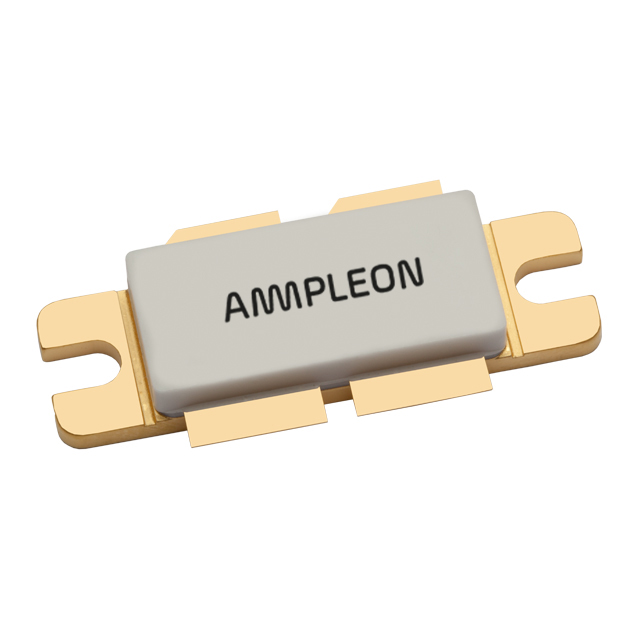
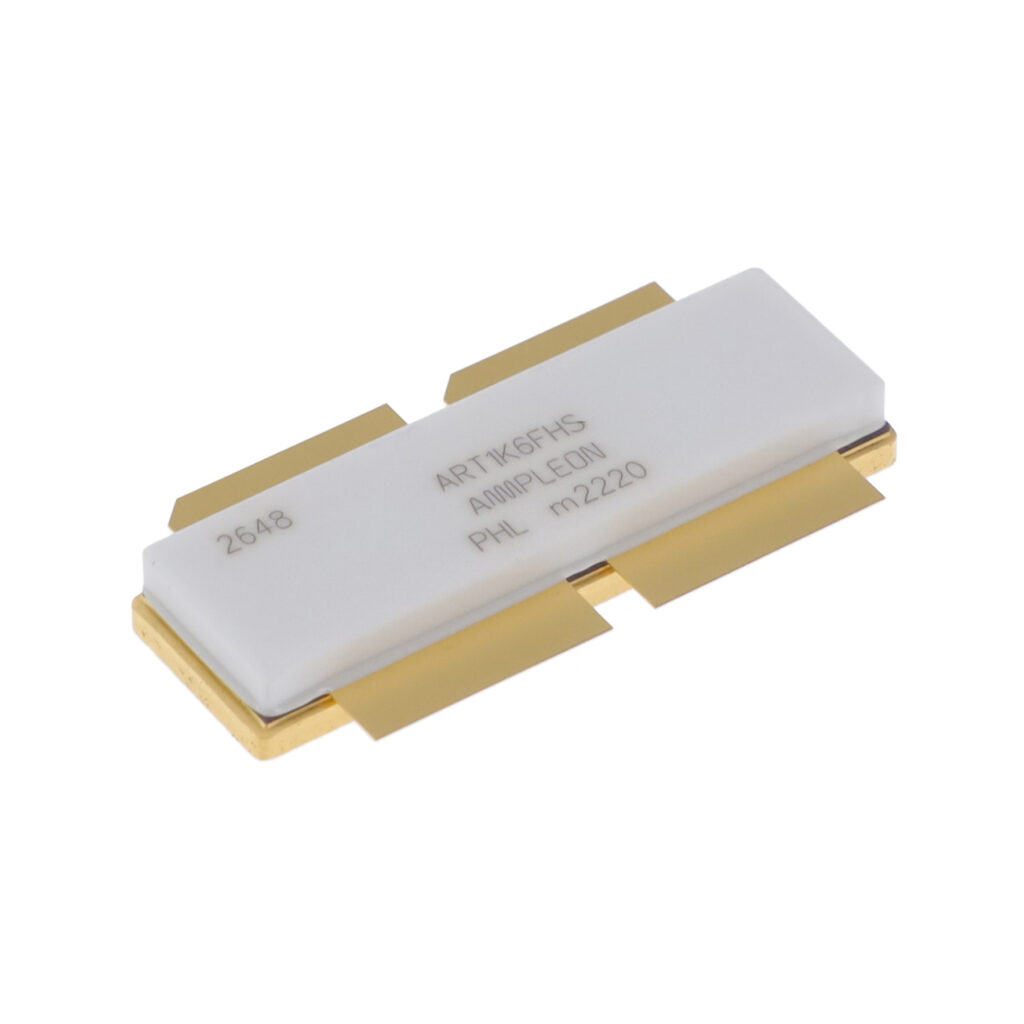
The BLF647 is a silicon N-channel enhancement mode lateral D-MOS push-pull transistor designed for UHF broadband applications. It operates in the HF to 800 MHz range with a drain-source voltage rating of 65 V and a total power dissipation of 290 W. The device delivers 120 W output power at 600 MHz and 150 W at 800 MHz, both exceeding 14.5 dB gain. Packaged in a SOT540A flanged ceramic housing, it features an internal input damping network for stability and a source connection on the underside to minimize common-mode inductance.
Verify the specific ordering suffix against the manufacturer's current catalog to confirm availability and packaging format. Ensure that the procurement documentation matches the exact part number designation to avoid discrepancies in technical specifications or pin configurations during integration.
Select this component for designs requiring high power density and wide bandwidth coverage up to 800 MHz. The thermal resistance from junction to mounting base is 0.6 K/W; ensure the heatsink interface maintains a thermal resistance below 0.2 K/W to sustain maximum power dissipation ratings effectively.
Originally developed by Philips Semiconductors, this product was transferred to Ampleon following the spin-off of the RF Power division in December 2015. The datasheet retains historical Philips references while officially adopting the Ampleon trade name for all subsequent documentation and contact details.
Consult official substitution lists for equivalent LDMOS transistors with matching power levels and frequency ranges. Verify that any alternative device supports the required SOT540A footprint or requires mechanical adaptation for the flange-mounted configuration.
The device can withstand a load mismatch corresponding to a VSWR of 10:1 through all phases under rated load power conditions.
The common source is connected directly to the mounting flange, which facilitates direct grounding and reduces common-mode inductance.
At 600 MHz with a 28 V supply, the power gain exceeds 14.5 dB in continuous wave Class-AB operation.
 BLF647,112
The activity of extra discounts on wholesale prices is in full swing…
Please fill in your contact information and we will send you the latest wholesale price list.