ChipApex | Global Electronic Components Supplier

SEARCH
Search Product
Search Post
— IC芯片 | 连接器 | 传感器 | 被动器件 —
Search productSearch post
— IC芯片 | 连接器 | 传感器 | 被动器件 —
Consult the customer manager about the wholesale price.
consultation hotline:86-132-6715-2157
email:[email protected]
Contact the product manager for consultation. One-stop consultation is available.
Do you want a lower wholesale price? Please send us your inquiry and we will reply immediately.
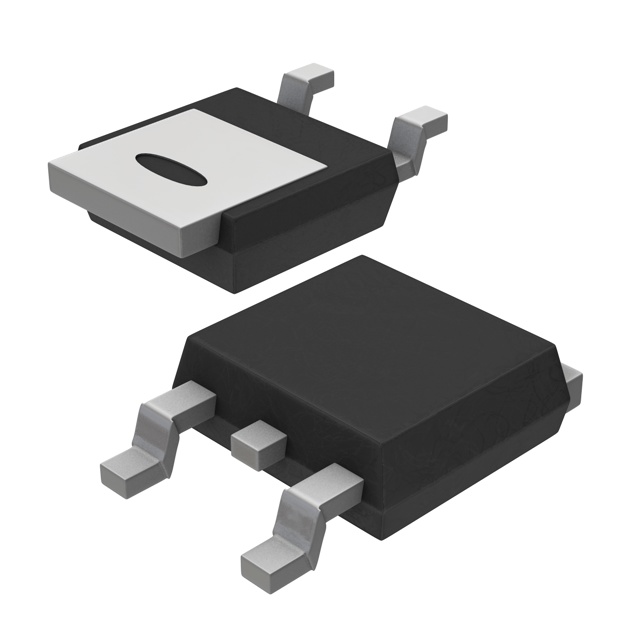
The BUK6211-75C is a standard and logic level gate drive N-channel enhancement mode Field-Effect Transistor (FET) utilizing advanced TrenchMOS technology in a SOT428 (DPAK) plastic package. Designed for high-performance automotive applications, it meets AEC-Q101 standards with a 175 °C junction temperature rating. Key electrical parameters include a drain-source voltage of 75 V, continuous drain current of 74 A at 25 °C mounting base temperature, and total power dissipation of 158 W. The device exhibits a typical on-state resistance of 11 mΩ at VGS=10V and ID=25A, with a non-repetitive avalanche energy capability of 127 mJ.
Verify the specific ordering suffix against official Nexperia documentation to confirm package variant and tape/reel specifications. Confirm current product status as active or obsolete via the manufacturer's database before finalizing design-in decisions. Ensure compliance with RoHS directives and check for any recent lifecycle notices regarding end-of-life planning.
Select this component for designs requiring robust automotive-grade N-channel switching with high current handling capabilities. The DPAK package offers effective thermal dissipation through the mounting base. Consider the 175 °C operating limit for high-temperature environments and verify gate drive compatibility with the specified threshold characteristics for optimal switching performance.
This part belongs to Nexperia's BUK series of N-channel TrenchMOS FETs, specifically engineered for automotive reliability. It utilizes TrenchMOS technology to achieve low on-state resistance and efficient power switching. The SOT428 package provides a compact surface-mount solution suitable for space-constrained automotive PCB layouts while maintaining high thermal performance.
Consult official Nexperia substitution guides for verified equivalents. Cross-reference pinouts, thermal resistance values, and electrical limits when considering alternative manufacturers' parts to ensure functional compatibility without compromising automotive safety standards.
 BUK6211-75C,118

The activity of extra discounts on wholesale prices is in full swing…
Please fill in your contact information and we will send you the latest wholesale price list.