ChipApex | Global Electronic Components Supplier
SEARCH
Search Product
Search Post
— IC芯片 | 连接器 | 传感器 | 被动器件 —
Search productSearch post
— IC芯片 | 连接器 | 传感器 | 被动器件 —
Consult the customer manager about the wholesale price.
consultation hotline:86-132-6715-2157
email:[email protected]
Contact the product manager for consultation. One-stop consultation is available.
Do you want a lower wholesale price? Please send us your inquiry and we will reply immediately.
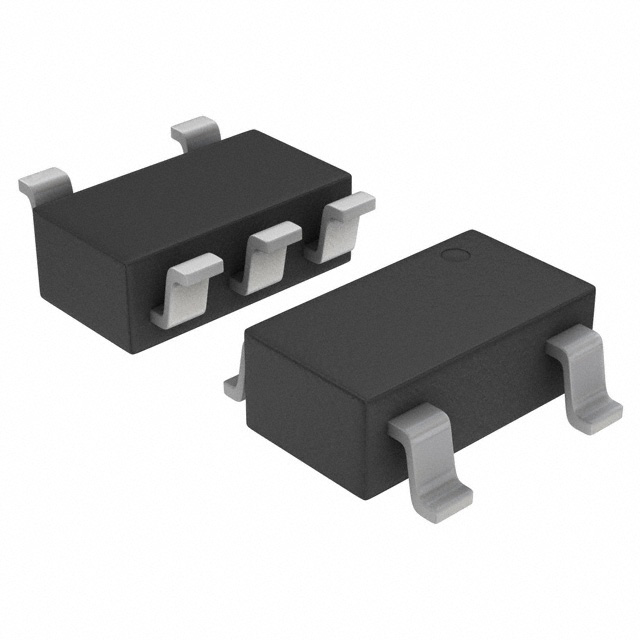
The onsemi CPH5871-TL-W is a single N-channel enhancement-mode MOSFET designed for surface-mount applications. It features a maximum drain-source voltage of 30 V and a continuous drain current of 3.5 A. The device utilizes a compact 5-pin package with dimensions supporting high current density. Key electrical parameters include a maximum gate-source voltage of ±12 V, a power dissipation rating of 900 mW, and an operating temperature range extending to +150 °C. Internal capacitance values include output capacitance (Coss) of 59 pF and reverse transfer capacitance (Crss) of 38 pF.
Verify component authenticity through authorized distribution channels. Confirm the specific suffix matches the required pinout and thermal characteristics. Check for obsolescence status as availability may be limited. Ensure storage conditions comply with moisture sensitivity levels defined in the datasheet. Validate that the procurement source provides traceable documentation for quality assurance purposes.
Select this component when a low-voltage N-channel switch with moderate current handling is required in a small footprint. Compare Rds(on) and gate charge specifications against alternative devices for efficiency requirements. Ensure the selected package fits the PCB land pattern constraints. Verify that the thermal performance meets the application's power dissipation needs under worst-case operating conditions.
This part belongs to onsemi's portfolio of surface-mount power transistors. It is categorized within single FETs and MOSFets. The device is engineered for applications requiring reliable switching performance in compact electronic systems. It serves as a discrete solution for power control tasks where integrated circuits may not offer sufficient flexibility or current capacity.
The CPH5871-TL-W is listed as obsolete. Review available substitutes from the manufacturer or third-party vendors. Ensure any replacement maintains compatible pin configurations, voltage ratings, and thermal properties. Validate electrical equivalence before implementation.
 CPH5871-TL-W
The activity of extra discounts on wholesale prices is in full swing…
Please fill in your contact information and we will send you the latest wholesale price list.