ChipApex | Global Electronic Components Supplier

SEARCH
Search Product
Search Post
— IC芯片 | 连接器 | 传感器 | 被动器件 —
Search productSearch post
— IC芯片 | 连接器 | 传感器 | 被动器件 —
Consult the customer manager about the wholesale price.
consultation hotline:86-132-6715-2157
email:[email protected]
Contact the product manager for consultation. One-stop consultation is available.
Do you want a lower wholesale price? Please send us your inquiry and we will reply immediately.
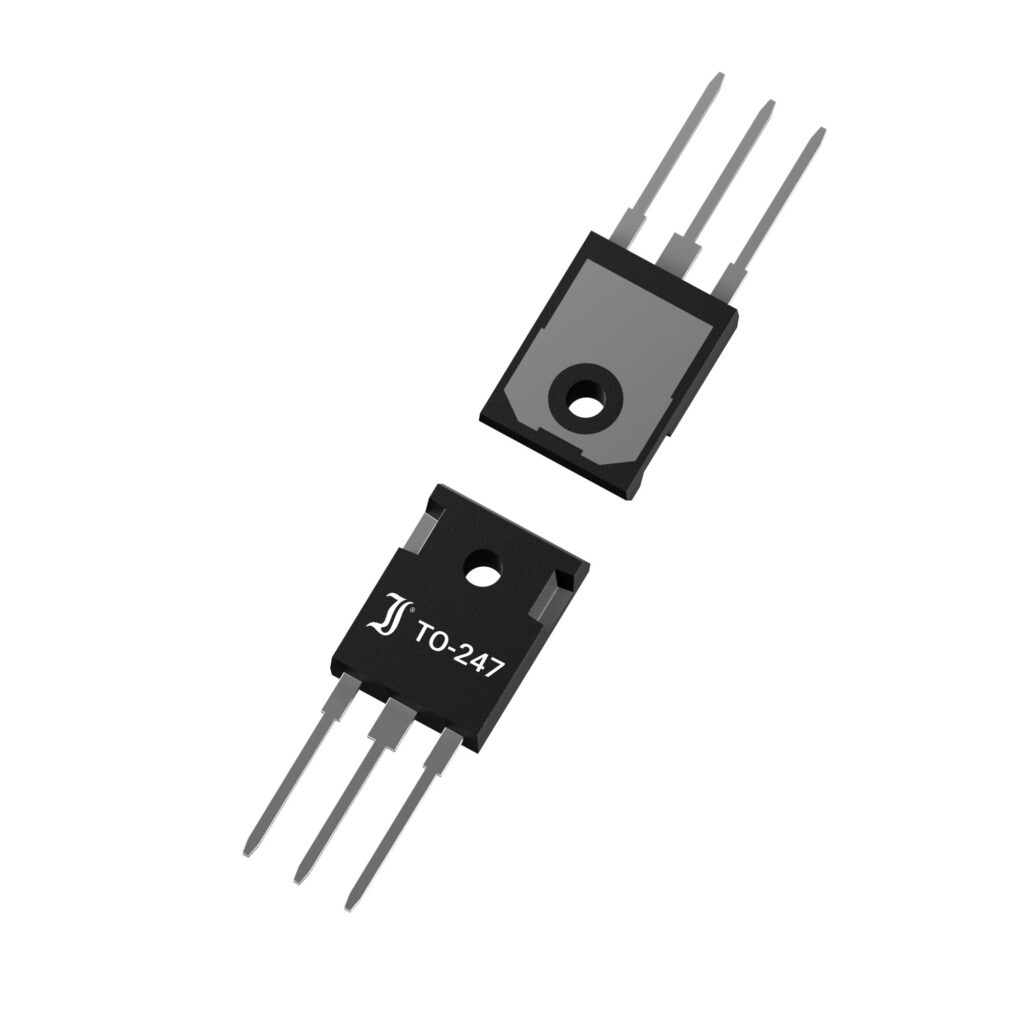
The IXYS IXGH24N170 is a single N-channel Insulated Gate Bipolar Transistor (IGBT) designed for high-voltage power switching applications. It features a maximum collector-emitter voltage (VCEO) of 1.7 kV and a continuous collector current (Ic) of 50 A at 25°C, with a peak pulsed current capacity of 150 A. The device exhibits a low collector-emitter saturation voltage (VceSAT) of 3.3 V. It operates within a junction temperature range of -55°C to +150°C and dissipates up to 250 W of power. The component utilizes a TO-247AD-3 through-hole package and accepts a maximum gate-emitter voltage of ±20 V.
Verify the specific manufacturer datasheet revision before procurement to ensure alignment with current technical specifications. Confirm that the TO-247AD-3 package dimensions match the target PCB footprint and thermal management requirements. Ensure the sourcing channel provides authentic components from authorized distribution networks to mitigate counterfeit risks.
Select this component when circuit designs require a 1700 V blocking voltage combined with moderate continuous current handling. The TO-247AD package facilitates efficient heat transfer to external heatsinks. Evaluate the 3.3 V saturation voltage against system efficiency targets and compare thermal resistance characteristics with alternative high-voltage IGBTs in similar form factors.
This device belongs to the IXYS high-voltage IGBT portfolio, engineered for industrial power conversion. It represents a discrete solution for medium-power applications where modular IGBT packs are unnecessary. The technology focuses on balancing high voltage withstand capabilities with manageable switching losses for reliable long-term operation.
Direct pin-compatible replacements may include other 1700 V IGBTs in the TO-247AD package, such as the IXGH24N170A or IXBH16N170 variants, provided their current ratings and saturation voltages meet the original design constraints. Verify switching energy parameters and thermal characteristics before substitution.
 IXGH24N170

The activity of extra discounts on wholesale prices is in full swing…
Please fill in your contact information and we will send you the latest wholesale price list.