ChipApex | Global Electronic Components Supplier
SEARCH
Search Product
Search Post
— IC芯片 | 连接器 | 传感器 | 被动器件 —
Search productSearch post
— IC芯片 | 连接器 | 传感器 | 被动器件 —
Consult the customer manager about the wholesale price.
consultation hotline:86-132-6715-2157
email:[email protected]
Contact the product manager for consultation. One-stop consultation is available.
Do you want a lower wholesale price? Please send us your inquiry and we will reply immediately.
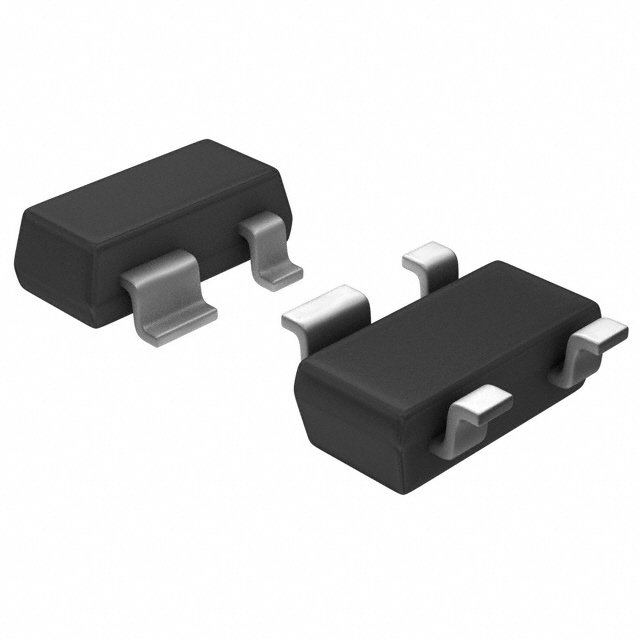
The BSS83,215 is an N-channel enhancement-mode MOSFET switching transistor manufactured by NXP Semiconductors. It is designed for general-purpose low-voltage switching applications. The device features a small-signal package suitable for surface-mount assembly. Official documentation identifies it as an N-channel enhancement switching transistor with standard logic-level characteristics. No specific electrical parameters such as voltage ratings or current limits are provided in the available public component data.
Verify the manufacturer designation and exact part number against official NXP documentation before procurement. Confirm that the BSS83,215 variant matches the required package type and pin configuration for your specific design. Ensure compliance with RoHS directives if applicable to your region. Cross-reference the datasheet revision date to ensure access to the most current technical specifications and handling instructions.
Select this component for applications requiring an N-channel enhancement-mode MOSFET in a compact form factor. Consider its suitability for logic-level control signals where minimal gate drive voltage is available. Evaluate the thermal performance requirements against the package capabilities. Ensure the operating environment aligns with the device's specified temperature range and switching frequency limitations defined in the official datasheet.
The BSS83 series belongs to NXP's portfolio of small-signal MOSFETs. These devices are commonly used in consumer electronics and industrial control systems where space-constrained switching solutions are needed. The BSS83,215 specifically denotes a particular tape-and-reel packaging option within this family, facilitating automated assembly processes in high-volume manufacturing environments.
Consult official NXP substitution guides for verified alternatives. Generic replacements may not match the precise electrical characteristics or package dimensions. Verify compatibility with existing PCB footprints and thermal management strategies when considering substitute components.
 BSS83,215
The activity of extra discounts on wholesale prices is in full swing…
Please fill in your contact information and we will send you the latest wholesale price list.